The Neuroscience of Being Human
The Neuroscience of Canal Boats
Slow speed, enforced deceleration and lock-gate problem-solving: why travelling at four miles an hour on the inland waterways may be one of the most neurologically restorative things the human brain can do
2,600-word article with 25 Harvard references.
Premium article
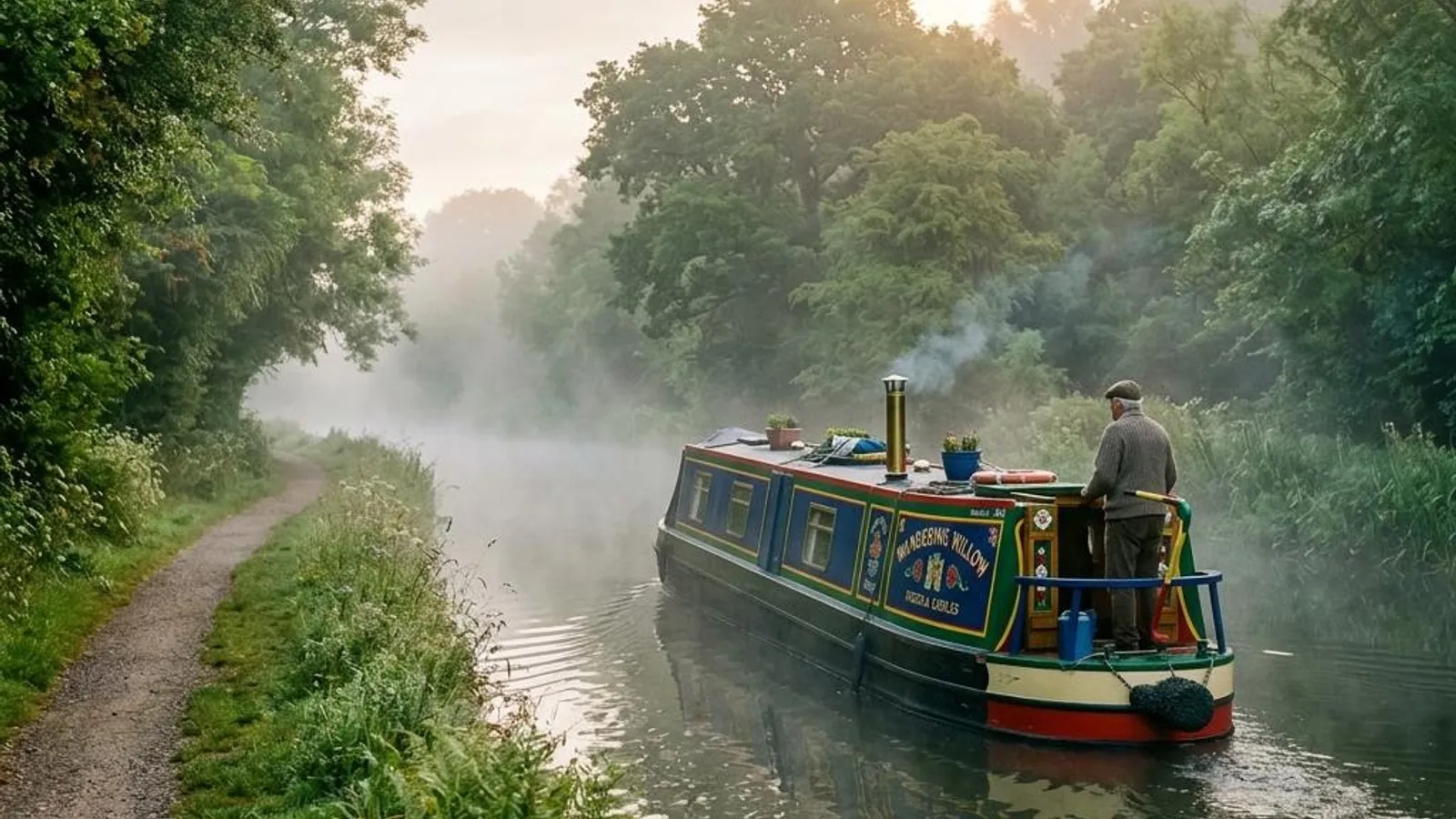
Canal boating is the slowest form of powered travel most people will ever experience, and that slowness is precisely the point. At walking pace, with a speed limit measured in single figures and a day structured around locks, moorings and the unhurried rhythm of water, the narrowboat imposes a deceleration on the nervous system that modern life almost never permits. This fully referenced article examines what happens in the brain when travel slows to four miles an hour, why the combination of gentle attention, natural surroundings, rhythmic motion and manual problem-solving produces a measurable shift towards recovery, and why the canal, dismissed by some as merely quaint, may in fact be one of the most powerful antidotes to a chronically overstimulated brain.
£3.99 (full price £4.99). Includes full article access and branded PDF download.
What you will receive:
- Full 2,600-word article with 25 Harvard references
- Branded article download with sign-off and resource links
- Invitation to reflect section for personal or professional use