The Neuroscience of Being Human
The Neuroscience of Chronic Inflammation
How a fire that was meant to burn for hours ends up burning for years, what happens to the brain and the body when the inflammatory response refuses to stand down, and why chronic inflammation is the thread that connects depression, heart disease, dementia, and the modern epidemic of preventable illness
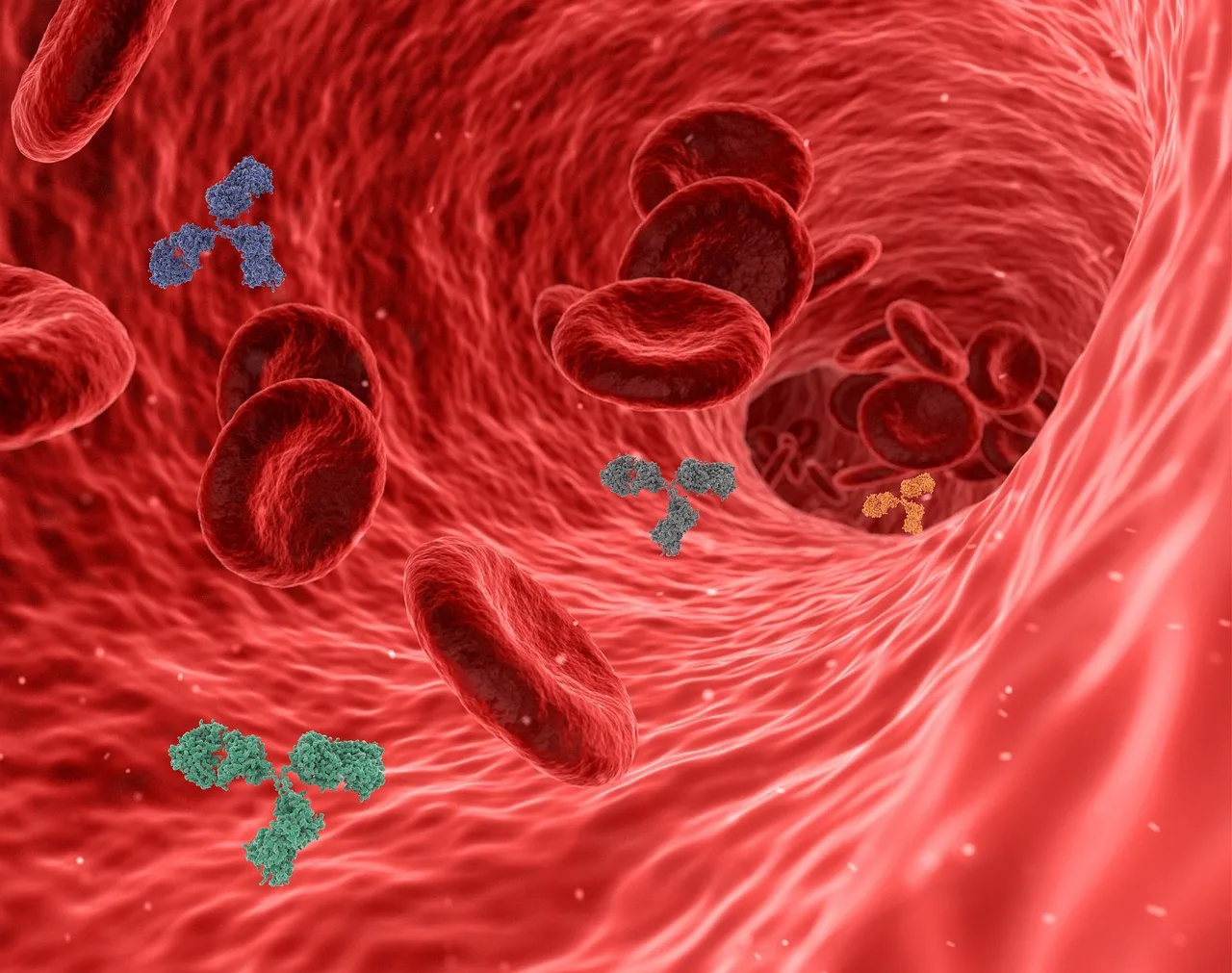
1,271-word article with 8 Harvard references.
Premium article
Inflammation is not the enemy. It is the body's first and most essential response to injury and infection: a precisely orchestrated mobilisation of immune cells, signalling molecules, and tissue-repair mechanisms that evolved to heal wounds and neutralise pathogens. The problem is not inflammation. The problem is inflammation that does not resolve. Chronic, low-grade inflammation, sustained by stress, poor diet, sedentary behaviour, obesity, disrupted sleep, and social isolation, is now recognised as a common pathway to an extraordinary range of diseases, including depression, cardiovascular disease, type 2 diabetes, Alzheimer's disease, and certain cancers. This article examines how the inflammatory response works, why it fails to resolve in modern life, what chronic inflammation does to the brain, and why reducing inflammation may be the single most important thing the average person can do for both their physical and their mental health.
£1.59 (full price £1.99). Includes full article access and branded PDF download.
What you will receive:
- Full 1,271-word article with 8 Harvard references
- Branded article download with sign-off and resource links
- Invitation to reflect section for personal or professional use