The Neuroscience of Being Human
The Neuroscience of Cruises
Enforced slowness, novelty on tap, social density and the swaying sea: what the brain is really doing when you hand over the logistics, let the horizon move for you and float from one new place to the next
2,441-word article with 23 Harvard references.
Premium article
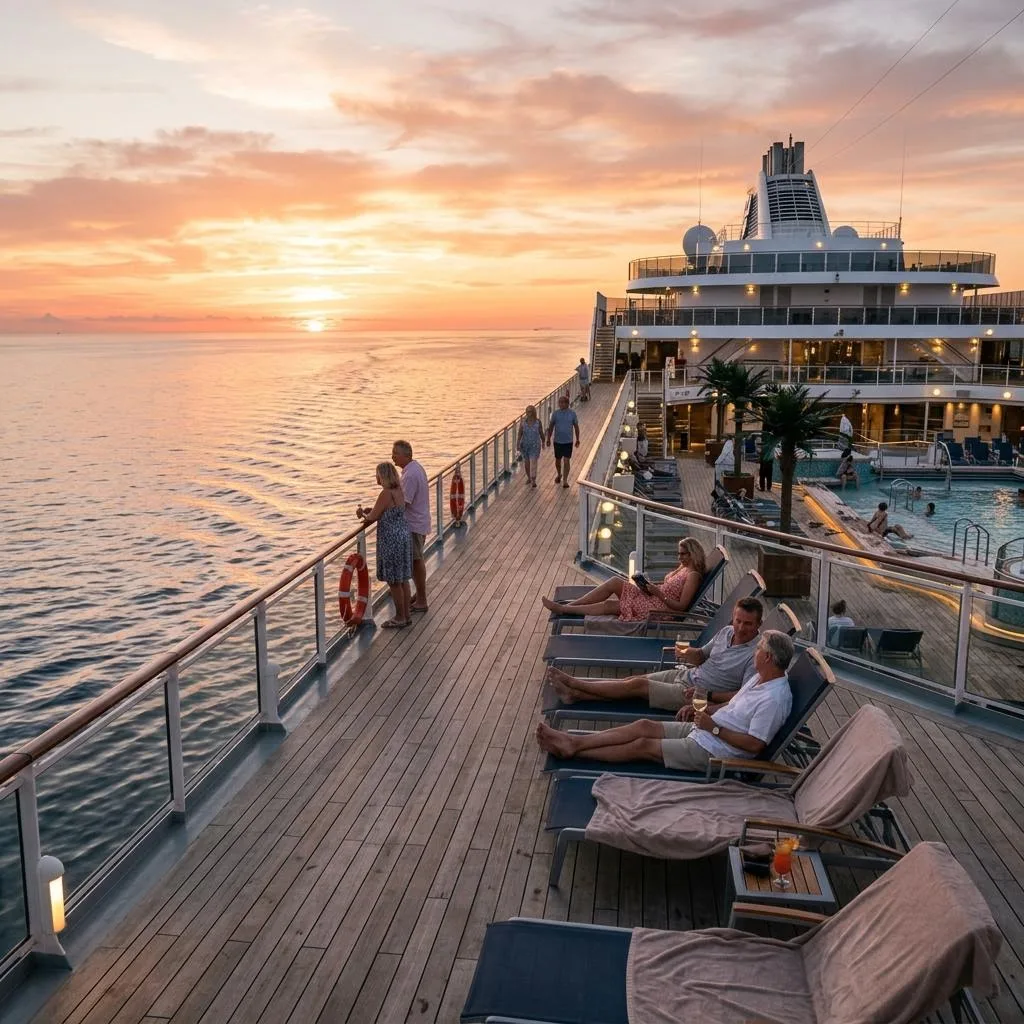
A cruise is a peculiar experiment in what happens to the brain when almost every decision is taken away, novelty is delivered daily to your door, and the ground beneath you never quite holds still. This fully referenced article examines why so many passengers describe a strange, floaty calm they call cruise brain: how the enforced slowness of a ship at sea releases the default mode network, how a constant supply of new ports and experiences keeps the dopamine system pleasantly engaged, how the unusual social density of shipboard life meets a deep human need for company, and why the gentle motion of the sea, along with the vestibular adaptation it demands, can leave its mark on the mind long after you step back onto solid ground.
£3.99 (full price £4.99). Includes full article access and branded PDF download.
What you will receive:
- Full 2,441-word article with 23 Harvard references
- Branded article download with sign-off and resource links
- Invitation to reflect section for personal or professional use