The Neuroscience of Being Human
The Neuroscience of Dance
Why rhythmic movement synchronised to music recruits motor, reward, and social bonding circuits simultaneously
767-word article with 4 Harvard references.
Premium article
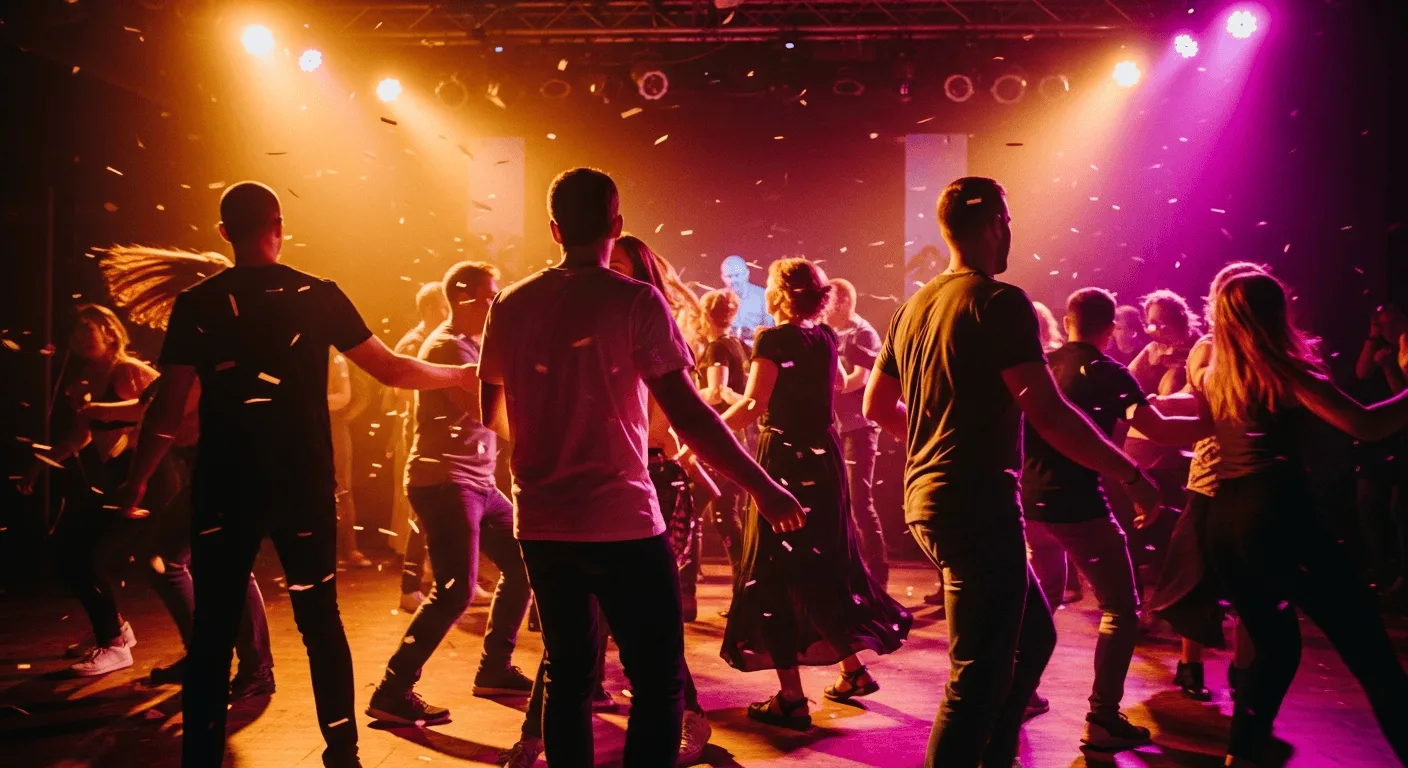
Dance is not a separate activity from music. It is its physical expression. When the body moves in time with sound, motor cortex, basal ganglia, cerebellum, reward circuitry, and social cognition networks are recruited simultaneously. This article explores why dance is one of the most neurologically integrative human activities.
£1.59 (full price £1.99). Includes full article access and branded PDF download.
What you will receive:
- Full 767-word article with 4 Harvard references
- Branded article download with sign-off and resource links
- Invitation to reflect section for personal or professional use