The Neuroscience of Being Human
The Neuroscience of E-Scooters
Novelty and dopamine, balance and rapid motor learning, risk perception in the developing brain and the demands of urban attention: what the brain is really doing when you step onto a small, fast machine and glide through the city
2,474-word article with 23 Harvard references.
Premium article
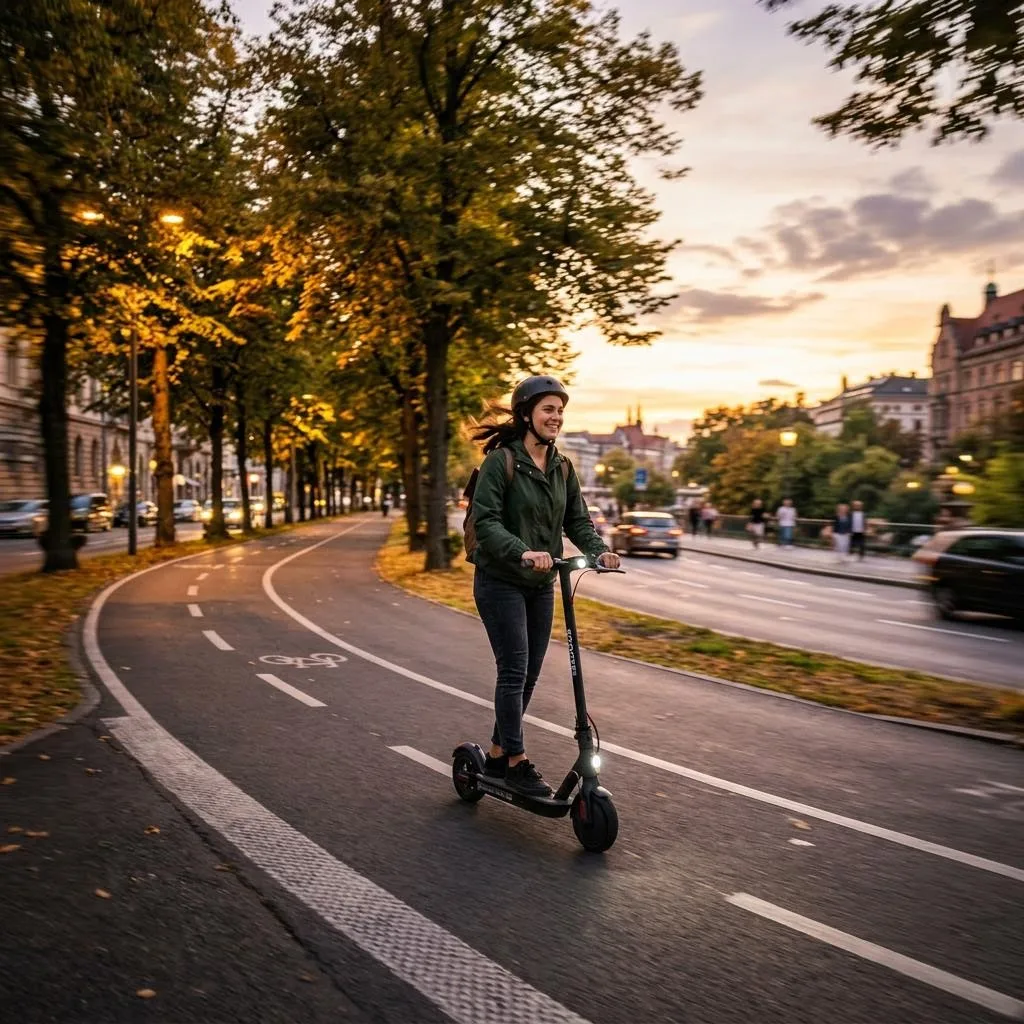
The electric scooter is one of the newest additions to urban life, and beneath the convenience lies a genuinely distinctive neurological experience. Gliding through a city on a small, silent, fast machine engages the brain's novelty and reward systems, recruits the balance and motor-learning circuitry of the cerebellum and basal ganglia at speed, tests the risk-appraisal networks that mature late in the human brain, and places heavy, continuous demands on urban attention. This fully referenced article examines why micromobility can feel so immediately liberating and mildly thrilling, what the neuroscience reveals about balance, novelty, risk and the adolescent brain in particular, and why understanding these systems helps explain both the joy and the hazard of the small fast vehicle.
£3.99 (full price £4.99). Includes full article access and branded PDF download.
What you will receive:
- Full 2,474-word article with 23 Harvard references
- Branded article download with sign-off and resource links
- Invitation to reflect section for personal or professional use