The Neuroscience of Being Human
The Neuroscience of Flying
The threat system at 38,000 feet, the mild hypoxia of the cabin, the jet-lagged body clock and the strange calm of cruising altitude: what the passenger brain is really doing when it leaves the ground
2,508-word article with 22 Harvard references.
Premium article
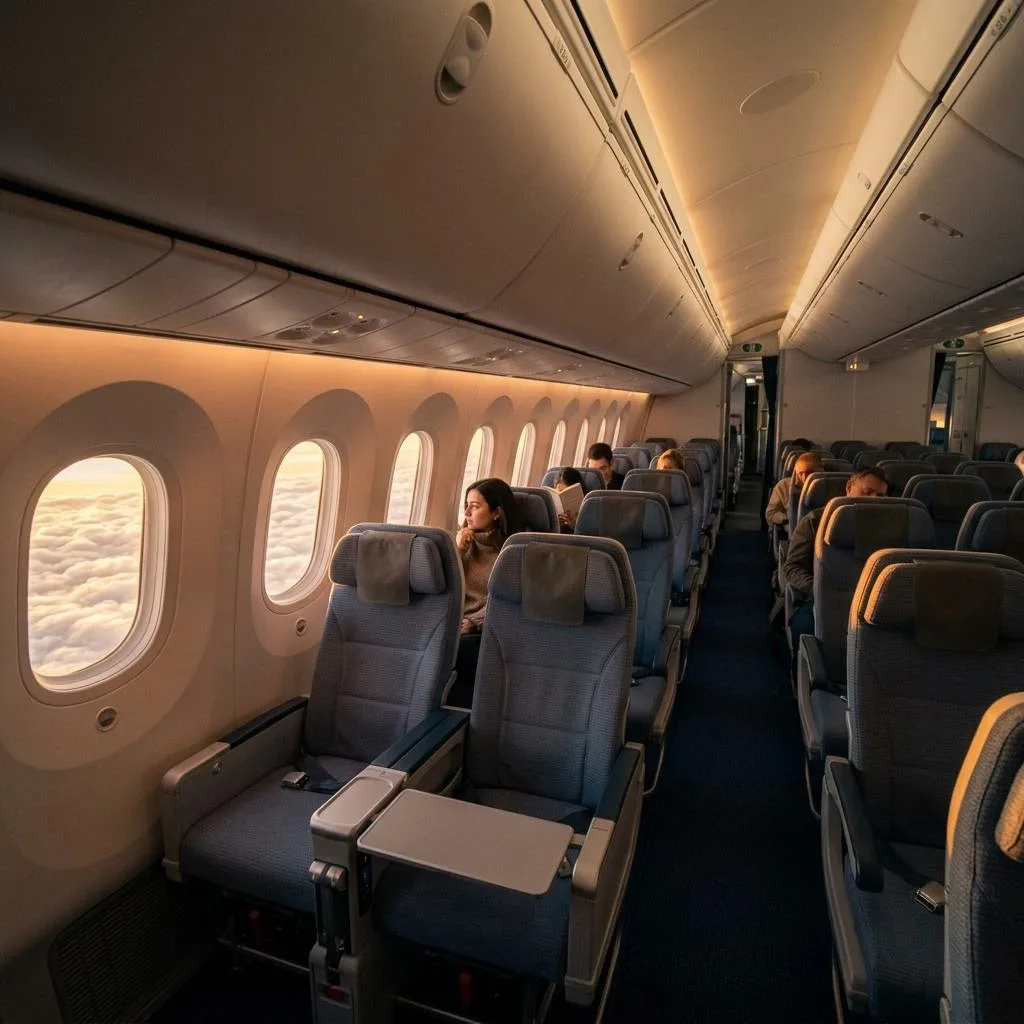
Being a passenger on a commercial flight is one of the safest things a human body can do, yet the brain often disagrees. This fully referenced article examines what actually happens in the passenger's nervous system between the gate and the destination: why the threat-detection system treats a sealed metal tube as danger even when the statistics are overwhelmingly reassuring, how the mildly reduced oxygen and air pressure of the cabin quietly alter mood and cognition, why crossing time zones leaves the circadian clock stranded between two worlds, and how turbulence hijacks the balance organs of the inner ear. It also explores something many travellers notice but rarely explain: why, once the initial fear settles, the enforced stillness of cruising altitude can become one of the most restful states of the modern week.
£3.99 (full price £4.99). Includes full article access and branded PDF download.
What you will receive:
- Full 2,508-word article with 22 Harvard references
- Branded article download with sign-off and resource links
- Invitation to reflect section for personal or professional use