The Neuroscience of Being Human
The Neuroscience of Food
How what we eat directly affects neurotransmitter production, neuroinflammation, and the brain's capacity to regulate mood, and why nutrition is a mental health intervention
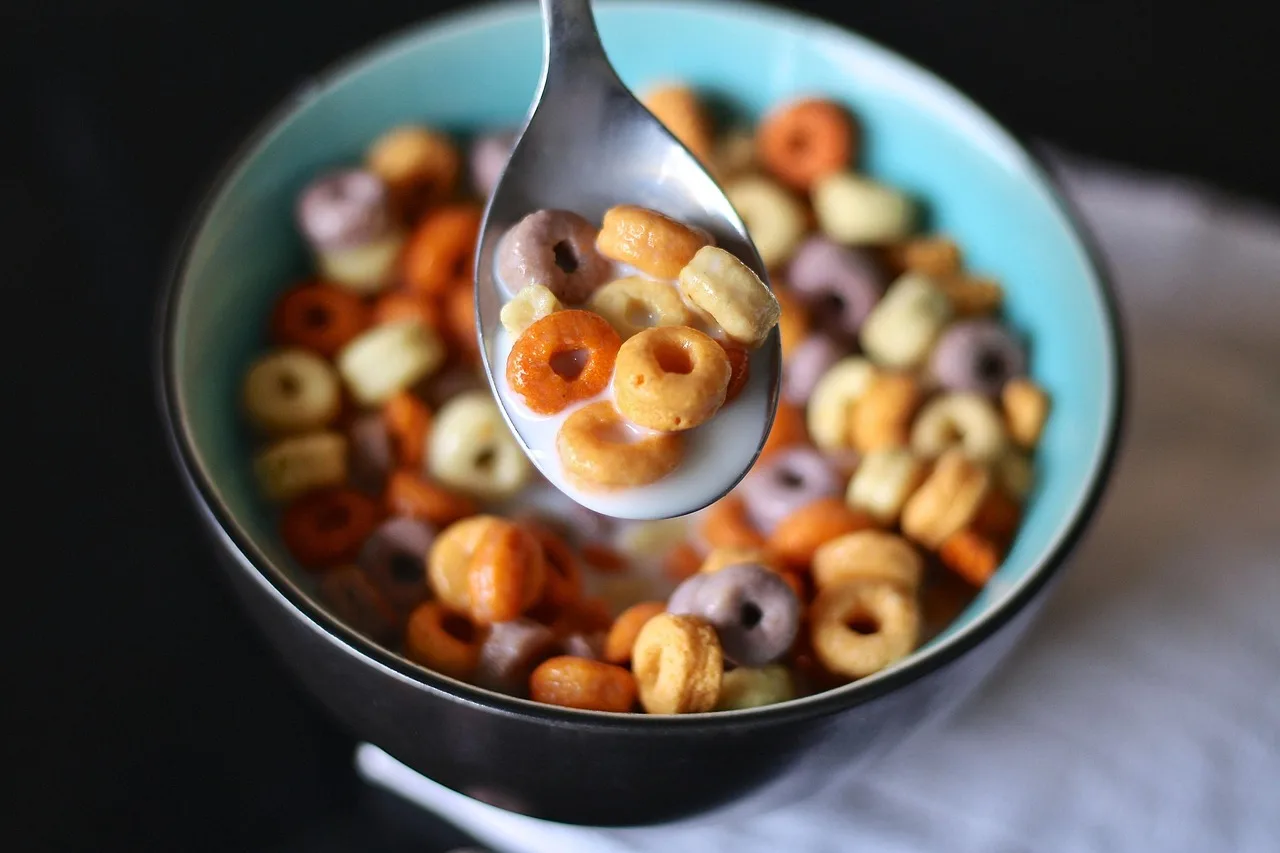
1,516-word article with 8 Harvard references.
Premium article
Every meal is a neurochemical event. The amino acids in protein become neurotransmitters. The fatty acids in fish become cell membranes. The glucose in carbohydrates becomes the fuel that powers every thought, every decision, every emotional response. The brain accounts for roughly two per cent of body weight but consumes approximately twenty per cent of daily caloric intake. What enters the mouth shapes what happens in the mind, and the relationship is more direct, more measurable, and more consequential than most people realise. This fully referenced article explores the neuroscience of food and the brain, from neurotransmitter synthesis to neuroinflammation, and asks why nutrition remains so marginalised in mental health care.
£1.59 (full price £1.99). Includes full article access and branded PDF download.
What you will receive:
- Full 1,516-word article with 8 Harvard references
- Branded article download with sign-off and resource links
- Invitation to reflect section for personal or professional use