The Neuroscience of Being Human
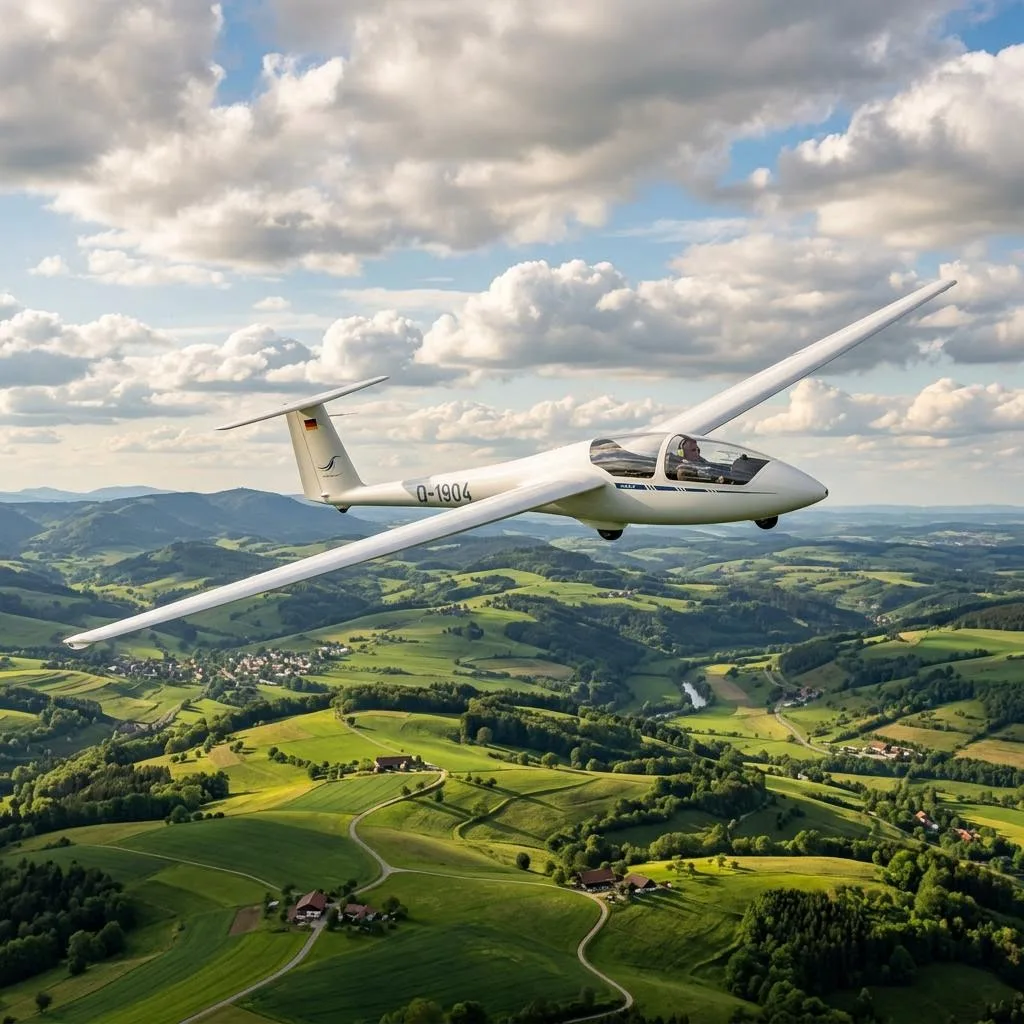
The Neuroscience of Gliding
Reading invisible lift, silent flight and sustained attention, the weather-predicting brain and flow at the stick: what the mind is really doing when an engineless aircraft climbs on nothing but rising air
2,608-word article with 22 Harvard references.
Premium article
Soaring flight is one of the purest tests of a demanding, prediction-driven brain. A glider pilot has no engine to fall back on, so every minute in the air depends on reading invisible currents of rising air, holding attention steady through long quiet stretches, and forecasting where the sky will next offer a climb. This fully referenced article examines the neuroscience beneath that skill: the sustained attention networks that watch the sky, the predictive machinery that turns cloud shapes and instrument twitches into expectations, the expertise built through years of deliberate practice, the flow state that arrives when challenge meets ability, and the restorative pull of the quiet cockpit. It also looks honestly at judgement, energy management and the risks that soaring never quite removes.
£3.99 (full price £4.99). Includes full article access and branded PDF download.
What you will receive:
- Full 2,608-word article with 22 Harvard references
- Branded article download with sign-off and resource links
- Invitation to reflect section for personal or professional use