The Neuroscience of Being Human
The Neuroscience of Ketamine
How an anaesthetic became psychiatry's most important discovery in fifty years, why NMDA receptor blockade paradoxically increases glutamate release, and what the rapid antidepressant effect reveals about synaptic plasticity, dissociation, and the cost of recreational use
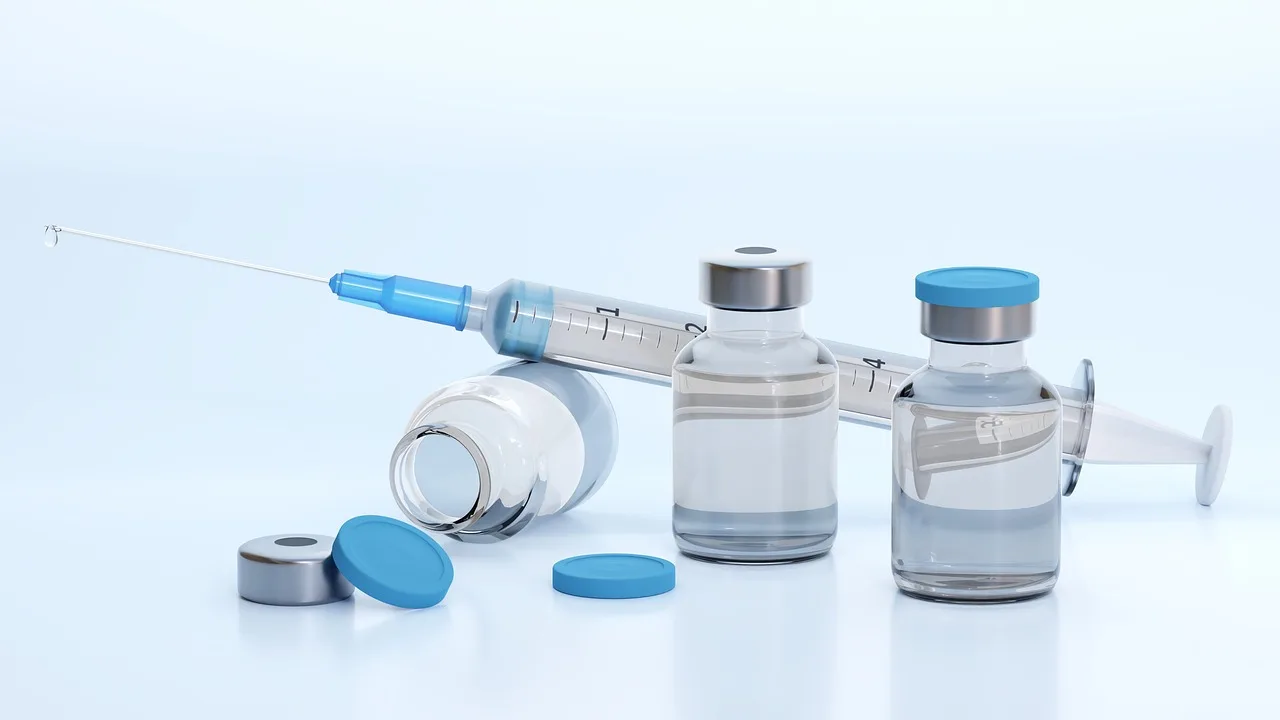
1,560-word article with 8 Harvard references.
Key takeaways
- Ketamine is a non-competitive antagonist of the N-methyl-D-aspartate (NMDA) receptor, a glutamate-gated ion channel critical for synaptic plasticity, learning, and memory. At anaesthetic doses it produces dissociative anaesthesia; at subanesthetic doses it produces rapid antidepressant effects that can emerge within hours and persist for days to weeks (Anis et al., 1983; Berman et al., 2000).
- Ketamine's antidepressant mechanism involves a paradox: blocking NMDA receptors on GABAergic inhibitory interneurons disinhibits glutamatergic pyramidal neurons, producing a surge of glutamate release that activates AMPA receptors and triggers downstream signalling through BDNF and mTOR, resulting in rapid synaptogenesis and increased dendritic spine density in the prefrontal cortex (Moghaddam et al., 1997; Duman and Aghajanian, 2012).
- In a randomised controlled trial of treatment-resistant depression, a single intravenous infusion of ketamine produced significant antidepressant response within four hours in seventy-one per cent of patients, compared with zero per cent in the placebo group. The effect peaked at twenty-four hours and was sustained for approximately one week (Zarate et al., 2006).
- Subanesthetic ketamine produces dose-dependent dissociative effects including depersonalisation, derealisation, altered time perception, and perceptual distortions. These effects are transient at clinical doses but are sought recreationally at higher doses, where they are described as the 'k-hole', a state of profound dissociation from body and environment (Krystal et al., 1994).
- Chronic recreational ketamine use is associated with neurocognitive impairment, particularly in episodic and working memory, persistent dissociative symptoms, and dose-dependent ulcerative cystitis that can progress to bladder contracture requiring surgical intervention (Morgan et al., 2010).
The NMDA receptor: what ketamine blocks and why it matters
The NMDA receptor is one of the most important molecular machines in the brain. It is a glutamate-gated ion channel that requires two simultaneous conditions for activation: glutamate must be bound to the receptor, and the postsynaptic membrane must be sufficiently depolarised to expel the magnesium ion that normally blocks the channel pore. This coincidence detection property makes the NMDA receptor central to synaptic plasticity. It fires only when presynaptic and postsynaptic activity coincide, making it the molecular substrate of Hebbian learning, the principle that neurons that fire together wire together. Anis et al. (1983) established that ketamine blocks this receptor by entering the open channel and lodging in the pore, preventing ion flow even when both activation conditions are met. The block is non-competitive and use-dependent, meaning it is most effective at receptors that are actively being stimulated.
At anaesthetic doses, widespread NMDA blockade reduces cortical excitation to the point of unconsciousness while preserving brainstem reflexes, producing the dissociative anaesthesia for which ketamine was originally developed. The patient is unconscious but continues to breathe independently, a property that makes ketamine invaluable in emergency medicine, battlefield surgery, and resource-limited settings where mechanical ventilation is unavailable. The dissociative quality of ketamine anaesthesia, the sense of separation from body and environment that patients sometimes report upon emergence, reflects the disruption of the cortico-thalamic circuits that normally integrate sensory information with self-referential processing.
The glutamate surge paradox
The most counterintuitive aspect of ketamine's pharmacology is that blocking an excitatory receptor produces a net increase in excitation. Moghaddam et al. (1997) demonstrated the mechanism. NMDA receptors are expressed on both excitatory pyramidal neurons and inhibitory GABAergic interneurons. At subanesthetic doses, ketamine preferentially blocks NMDA receptors on the fast-spiking interneurons, which are tonically active and therefore present more open channels for ketamine to enter. When these inhibitory neurons are silenced, the pyramidal neurons they were restraining are released from inhibition. The result is a burst of glutamate release from disinhibited pyramidal neurons that activates AMPA receptors on neighbouring neurons, producing a wave of excitatory signalling that is the pharmacological opposite of what blocking an excitatory receptor would naively predict.
This glutamate surge is the key to ketamine's antidepressant mechanism. The AMPA receptor activation triggers voltage-dependent calcium entry and activates intracellular signalling cascades that converge on two molecular targets: brain-derived neurotrophic factor (BDNF) and the mechanistic target of rapamycin (mTOR). Duman and Aghajanian (2012), writing in Science, described how this cascade produces rapid synaptogenesis, the formation of new synaptic connections, and increased dendritic spine density in the prefrontal cortex. The effect is measurable within hours, which aligns with the clinical timeline of ketamine's antidepressant response. Conventional antidepressants, which modulate monoamine signalling, require weeks to produce comparable synaptic changes through slower, indirect mechanisms. Ketamine bypasses the monoamine system entirely and acts directly on the glutamatergic circuitry that ultimately mediates synaptic plasticity.
The antidepressant revolution
Berman et al. (2000) published a small study in Biological Psychiatry that would eventually redirect the trajectory of psychiatric pharmacology. Seven patients with major depression received a single intravenous infusion of ketamine at 0.5 mg/kg over forty minutes. Within hours, depressive symptoms improved significantly. The effect was rapid, robust, and unlike anything produced by existing antidepressants. The finding was replicated and extended by Zarate et al. (2006) in a larger, randomised, placebo-controlled trial at the National Institute of Mental Health. Treatment-resistant patients, individuals who had failed to respond to multiple adequate trials of conventional antidepressants, received either ketamine or saline. Seventy-one per cent of the ketamine group met response criteria within twenty-four hours. Zero per cent of the placebo group responded. The effect size was large and the onset was faster than any previously documented antidepressant intervention.
Abdallah et al. (2018) integrated the subsequent decade of research into a unified neurobiological model. Depression, in this framework, is characterised by synaptic deficit in the prefrontal cortex, reduced dendritic spine density and impaired connectivity resulting from chronic stress, elevated cortisol, and reduced BDNF signalling. Conventional antidepressants slowly, indirectly promote synaptic repair through monoamine-mediated pathways. Ketamine rapidly, directly promotes synaptic repair through the glutamate-AMPA-BDNF-mTOR cascade. The clinical implication is that ketamine does not merely improve mood. It triggers a structural rebuilding of the synaptic architecture that depression has degraded. The therapeutic effect persists beyond the drug's elimination from the body because the new synapses remain after the ketamine is gone.
Dissociation: the experience between anaesthesia and consciousness
Krystal et al. (1994) conducted the most rigorous controlled study of ketamine's subanesthetic effects in healthy human volunteers. At doses below the anaesthetic threshold, ketamine produced a constellation of experiences that the researchers categorised as dissociative, psychotomimetic, and cognitive. Dissociative effects included depersonalisation, the sense of being detached from one's own body, and derealisation, the sense that the surrounding environment is unreal or dreamlike. Psychotomimetic effects included thought disorder, paranoia, and perceptual distortions. Cognitive effects included impaired attention, working memory, and verbal fluency. All effects were dose-dependent, emerged within minutes of infusion, and resolved within hours.
The relationship between dissociation and antidepressant response remains a subject of active investigation. Some studies have found that the degree of dissociative experience during ketamine infusion correlates with the magnitude of antidepressant response, suggesting that the dissociative state may be therapeutically relevant rather than merely a side effect. Other studies have not replicated this correlation, and the development of esketamine, the S-enantiomer of ketamine approved as a nasal spray for treatment-resistant depression, was accompanied by efforts to minimise dissociative effects while preserving antidepressant efficacy. The question of whether dissociation is a necessary component of the therapeutic mechanism or an incidental consequence of the pharmacology remains open.
The cost of recreational use
Morgan et al. (2010) studied the consequences of chronic ketamine self-administration in recreational users and documented a pattern of harm that is distinct from most other drugs of abuse. The neurocognitive findings were consistent with NMDA receptor disruption: episodic memory impairment, reduced working memory capacity, and attentional deficits that were dose-dependent, with heavier users showing greater impairment. Persistent dissociative symptoms, including feelings of unreality and detachment that continued between episodes of use, were reported by frequent users and correlated with cumulative lifetime exposure.
The most distinctive harm associated with chronic ketamine use is urological. Ketamine and its metabolites are concentrated in urine and appear to be directly toxic to the bladder epithelium. Chronic users develop a characteristic ulcerative cystitis with symptoms of urinary frequency, urgency, incontinence, and severe suprapubic pain. In advanced cases, the bladder contracts to a fraction of its normal capacity and surgical reconstruction or cystectomy becomes necessary. This is a consequence found with no other recreational drug and is not observed at the doses or frequencies used in clinical antidepressant protocols. The difference between the clinical and recreational contexts is, as with many substances, a difference of dose, frequency, and duration, but in ketamine's case the consequences of exceeding clinical parameters include an organ-specific toxicity that is irreversible once established.
Invitation to reflect
Ketamine may be the clearest example in modern pharmacology of how a single molecule can be simultaneously a surgical tool, a psychiatric breakthrough, and a recreational hazard. The mechanism is the same in all three contexts: NMDA receptor blockade. The consequences depend entirely on dose, frequency, and the clinical framework in which the molecule is encountered. At 0.5 mg/kg administered once or twice over several weeks, it triggers synaptic repair in a depressed prefrontal cortex with an efficacy and speed that no conventional antidepressant can match. At recreational doses administered repeatedly over months, it degrades the cognitive systems that depend on the receptors it blocks and destroys the bladder that concentrates its metabolites. The neuroscience does not draw a moral distinction between these uses. It draws a pharmacological one. The glutamate surge that rebuilds synapses when triggered occasionally becomes neurotoxic when triggered chronically. The BDNF release that promotes dendritic growth after a single infusion cannot maintain its reparative function under conditions of continuous receptor disruption. Ketamine's lesson for neuroscience is that the therapeutic window is not a metaphor. It is a measurable parameter, and on either side of it, the same molecule produces opposite outcomes.
References
- Anis, NA, Berry, SC, Burton, NR and Lodge, D (1983) The dissociative anaesthetics, ketamine and phencyclidine, selectively reduce excitation of central mammalian neurones by N-methyl-aspartate. British Journal of Pharmacology, 79(2), pp. 565–575.
- Berman, RM, Cappiello, A, Anand, A, Oren, DA, Heninger, GR, Charney, DS and Krystal, JH (2000) Antidepressant effects of ketamine in depressed patients. Biological Psychiatry, 47(4), pp. 351–354.
- Zarate, CA, Singh, JB, Carlson, PJ, Brutsche, NE, Ameli, R, Luckenbaugh, DA, Charney, DS and Manji, HK (2006) A randomized trial of an N-methyl-D-aspartate antagonist in treatment-resistant depression. Archives of General Psychiatry, 63(8), pp. 856–864.
- Duman, RS and Aghajanian, GK (2012) Synaptic dysfunction in depression: potential therapeutic targets. Science, 338(6103), pp. 68–72.
- Moghaddam, B, Adams, B, Verma, A and Daly, D (1997) Activation of glutamatergic neurotransmission by ketamine: a novel step in the pathway from NMDA receptor blockade to dopaminergic and cognitive disruptions associated with the prefrontal cortex. Journal of Neuroscience, 17(8), pp. 2921–2927.
- Krystal, JH, Karper, LP, Seibyl, JP, Freeman, GK, Delaney, R, Bremner, JD, Heninger, GR, Bowers, MB and Charney, DS (1994) Subanesthetic effects of the noncompetitive NMDA antagonist, ketamine, in humans. Archives of General Psychiatry, 51(3), pp. 199–214.
- Morgan, CJA, Muetzelfeldt, L and Curran, HV (2010) Consequences of chronic ketamine self-administration upon neurocognitive function and psychological wellbeing: a 1-year longitudinal study. Addiction, 105(1), pp. 121–133.
- Abdallah, CG, Sanacora, G, Duman, RS and Krystal, JH (2018) The neurobiology of depression, ketamine and rapid-acting antidepressants: is it glutamate inhibition or activation? Pharmacology and Therapeutics, 190, pp. 148–174.
About the author
Gareth Strangemore-Jones, MHFA, DCST, PDPCP, HPD, DSFH, DMH, AHD, NCTJ, MSC-CPA, PGCE (FE) I & II
MNCPS (Reg.), MNCH (Reg.), MCNHC (Reg.), MAfSFH (Assoc.)
PSA (Acc.), FSE (Fellow), IFfS (Assoc.)
Mental Health First Aider, Pluralistic Counsellor, Clinical Psychotherapist. Consultant Medical Hypnotherapist, Mindfulness Teacher. PGCE-Trained Teacher, Lecturer, Corporate Trainer, Workplace Wellbeing Consultant. PR & Marketing Consultant, Psychology & Behaviour Advisor. Author, Journalist, Broadcaster. Advocate for Mental Health, People & Planet
Founder, CEO & Clinical Lead, The Brain Gym & Research Ltd. Human understanding, intelligently delivered