The Neuroscience of the Unexplained
The Neuroscience of Ley Lines and Sacred Places
Awe, the small-self effect, architectural acoustics, pilgrimage psychology and environmental neuroscience: why certain places feel powerful to the human brain
955-word article with 10 Harvard references.
Premium article
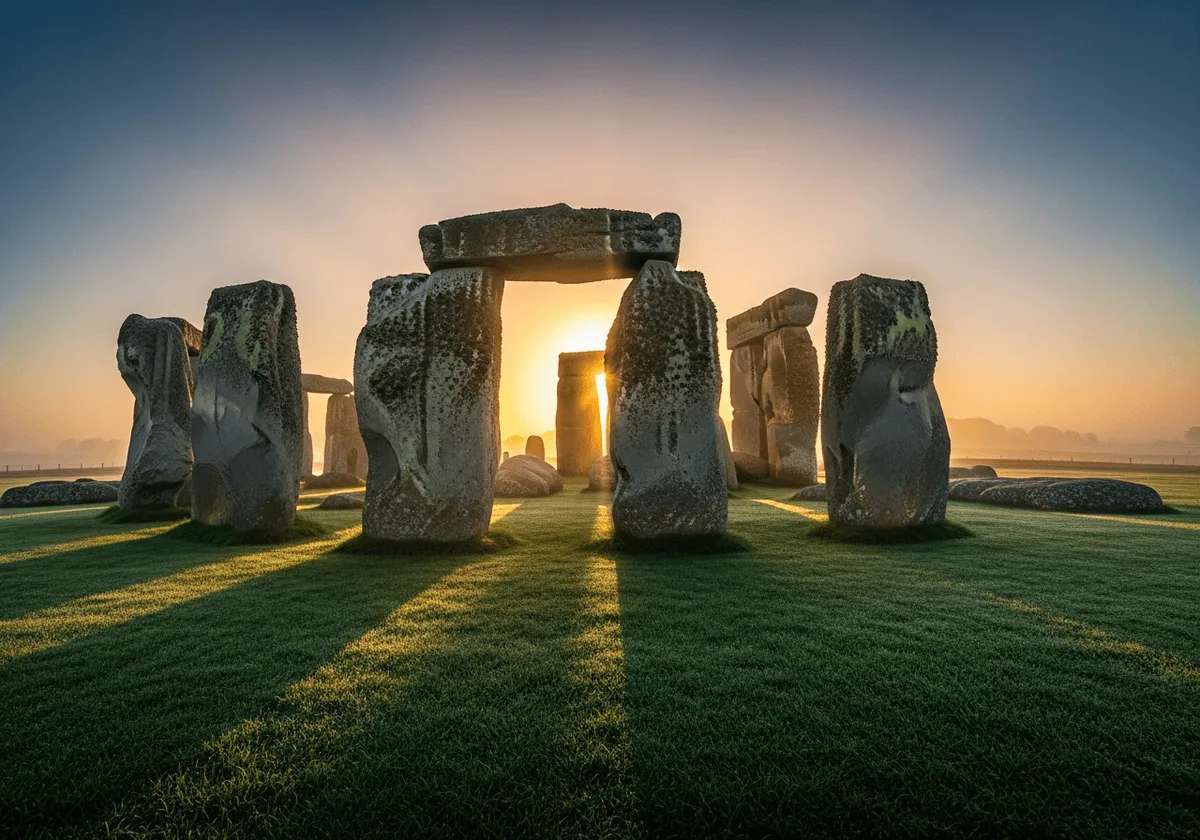
Ley lines, as proposed by Alfred Watkins in 1921, describe alignments of ancient sites across the landscape. No geophysical survey has detected energy flowing along these lines. And yet, the places themselves, the stone circles, hilltop churches, forest clearings and ancient springs, reliably produce experiences that people describe as powerful, sacred or numinous. This article examines the neuroscience of awe, place attachment and environmental influence to explain why certain places affect the brain the way they do.
£1.59 (full price £1.99). Includes full article access and branded PDF download.
What you will receive:
- Full 955-word article with 10 Harvard references
- Branded article download with sign-off and resource links
- Invitation to reflect section for personal or professional use