The Neuroscience of Being Human
The Neuroscience of Panic
What happens in the brain during a panic attack, why the body's alarm system can fire without genuine danger, and how the cycle breaks
1,394-word article with 8 Harvard references.
Key takeaways
- Panic attacks involve a massive, coordinated activation of the sympathetic nervous system that produces cardiovascular, respiratory, and muscular symptoms indistinguishable from those of a genuine medical emergency (Gorman et al., 2000).
- The suffocation false alarm theory proposes that panic attacks are triggered by a hypersensitive suffocation alarm in the brainstem that misinterprets minor changes in blood CO2 levels as evidence of asphyxiation (Klein, 1993).
- Catastrophic misinterpretation of bodily sensations is the cognitive engine that sustains panic disorder. A benign increase in heart rate is interpreted as cardiac failure, which generates further anxiety, which produces further symptoms, creating a self-amplifying feedback loop (Clark, 1986).
- The insula, which maps the internal state of the body, shows heightened activation in panic disorder, generating amplified interoceptive signals that make normal bodily sensations feel abnormal and threatening (Dresler et al., 2013).
- Cognitive behavioural therapy for panic disorder achieves its effects by disrupting the catastrophic misinterpretation cycle, teaching the brain to reinterpret bodily sensations as uncomfortable but not dangerous.
The alarm that fires in an empty building
It begins, typically, with a sensation. Not a thought. A sensation. The heart skips, or accelerates, or does something that catches attention. The breathing feels insufficient, as though the air has thinned. There is tingling in the hands, a tightness across the chest, a wave of heat or cold. These sensations are unremarkable in isolation. Hearts vary their rhythm constantly. Breathing fluctuates with posture, exertion, and emotion. Tingling comes from hyperventilation, muscle tension, or simply sitting in one position too long. In the ordinary course of a day, these sensations pass without notice. But in the brain of someone vulnerable to panic, they do not pass. They are detected, amplified, and interpreted as evidence that something has gone catastrophically wrong.
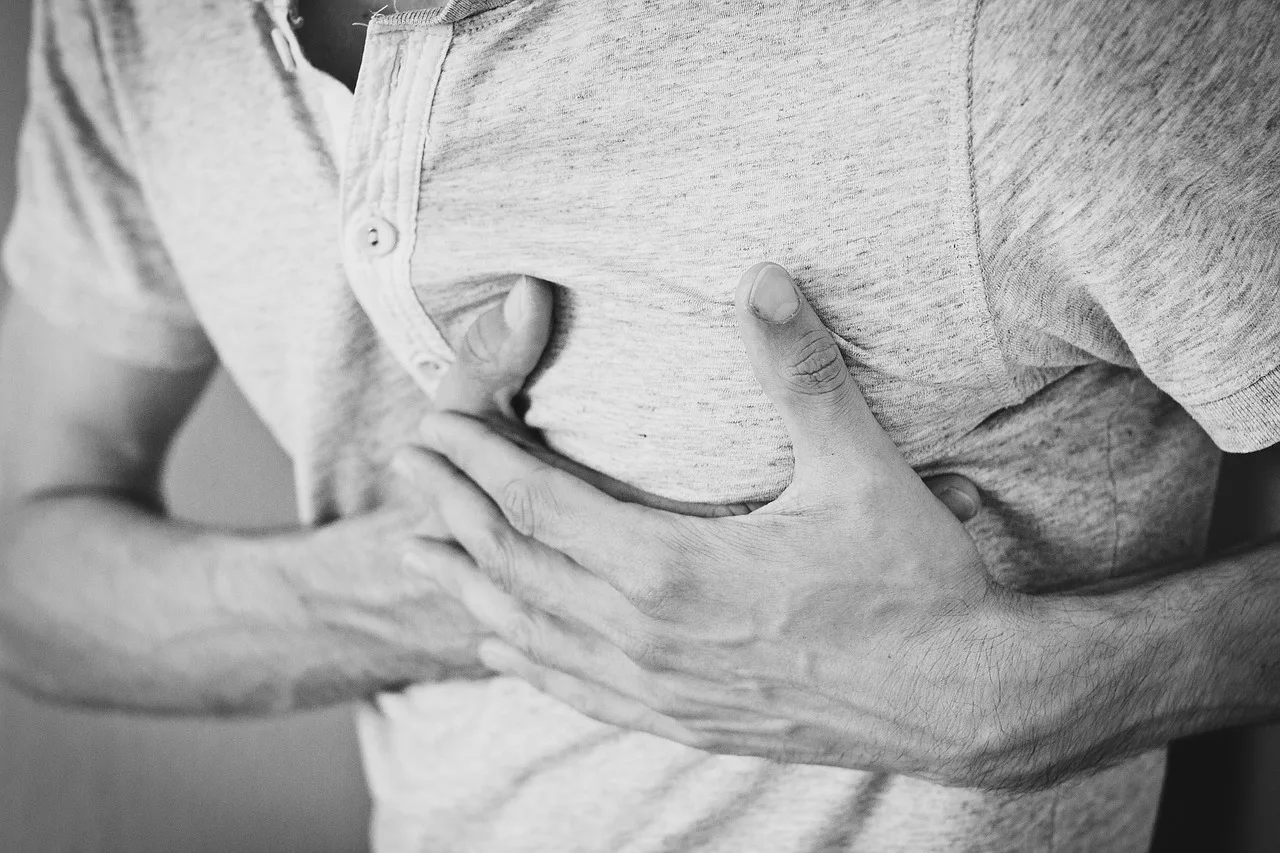
What follows is a cascade that the person cannot stop and that bystanders cannot understand. Within seconds, the sympathetic nervous system is at full activation. Heart rate climbs to 120 or 140 beats per minute. Blood pressure rises. Breathing becomes rapid and shallow. The hands tremble. The visual field narrows. There is a feeling of unreality, as though the world has become two-dimensional or has receded behind glass. And overlaying all of it is a conviction, not a suspicion but a certainty, that death is imminent. The person believes they are having a heart attack, or that they are about to faint, or that they are losing their mind. They are not. But telling them so, in the middle of the attack, is like telling someone in a burning building that the fire is imaginary. The body is producing every signal that a genuine emergency would produce. The brain cannot distinguish between the real thing and the simulation.
The brainstem's suffocation detector
Donald Klein proposed in 1993 that panic attacks are triggered by a hypersensitive suffocation alarm system located in the brainstem (Klein, 1993). His theory holds that the brainstem contains a monitor that tracks blood levels of carbon dioxide. When CO2 rises above a threshold, the alarm fires, triggering a respiratory distress response that includes air hunger, hyperventilation, and the overwhelming urge to escape. In most people, this alarm activates only under genuine respiratory compromise. In people prone to panic, the threshold is set too low. Minor, normal fluctuations in CO2, produced by a warm room, a period of shallow breathing, or even a heavy meal, are sufficient to trip the alarm. The brainstem does not check with the cortex before firing. It detects a pattern that matches its template for suffocation, and it responds.
This theory is supported by the finding that carbon dioxide inhalation reliably triggers panic attacks in individuals with panic disorder at concentrations that produce only mild discomfort in healthy controls. It also explains the prominent respiratory symptoms that characterise most panic attacks, including the air hunger, chest tightness, and hyperventilation that so often lead the person to believe they cannot breathe. They can breathe. They are, in fact, breathing too much and too fast, which reduces blood CO2, which produces the very tingling and dizziness that the alarm interprets as further evidence of respiratory compromise. The system feeds back on itself.
Catastrophic misinterpretation and the feedback loop
David Clark's cognitive model of panic disorder, published in 1986, remains one of the most influential accounts of why panic attacks escalate and recur (Clark, 1986). The model proposes a simple but devastating feedback loop. An internal or external trigger produces a bodily sensation. The sensation is interpreted catastrophically, that is, as evidence of serious physical or mental danger. The catastrophic interpretation generates anxiety. The anxiety produces further bodily sensations. The sensations are interpreted catastrophically. And so on, in a cycle that amplifies within seconds from a faint flutter in the chest to a full-blown conviction that death is moments away.
What makes this cycle so powerful is that the catastrophic interpretation is not a cognitive error in the usual sense. The sensations are real. The heart really is pounding. The breathing really has changed. The tingling is genuine. The interpretation is wrong, these are symptoms of anxiety, not of cardiac arrest, but it is wrong in a way that is perfectly consistent with the available evidence. The person is not being irrational. They are making a reasonable inference from terrifying data. The problem is that the data is generated by the same system that is interpreting it. The alarm and the evidence are the same thing.
The insula and amplified body awareness
Neuroimaging research has identified the insula as a key structure in panic disorder. Thomas Dresler and colleagues found that individuals with panic disorder show heightened insula activation during interoceptive tasks, those requiring attention to internal bodily states (Dresler et al., 2013). The insula maps the physiological condition of the body and generates the subjective experience of how the body feels. In panic disorder, this mapping system is hyperactive, producing amplified representations of bodily sensations that make normal physiological activity feel abnormal and threatening.
This heightened interoceptive sensitivity means that people with panic disorder are not imagining their symptoms. They are experiencing them with greater intensity than the physiological reality warrants. A healthy heart rhythm that a non-anxious person would not notice is, in the insular cortex of a person with panic disorder, experienced as prominent, alarming, and consistent with danger. The insular amplification combines with the cognitive misinterpretation to create a system in which the body generates the alarm, the insula amplifies the alarm, and the cortex interprets the alarm as evidence of catastrophe. Each component is functioning as designed. The problem is in the calibration, not the machinery.
Breaking the cycle
Jack Gorman and colleagues proposed a neuroanatomical model of panic disorder that maps Clark's cognitive loop onto specific brain circuits (Gorman et al., 2000). The brainstem generates the initial alarm. The amygdala amplifies the fear response. The hippocampus provides contextual memories of previous panic attacks, priming the system for recurrence. The prefrontal cortex, when functioning well, provides top-down regulation that can interrupt the cycle. When prefrontal function is compromised, the cycle runs unchecked.
Cognitive behavioural therapy for panic disorder targets the catastrophic misinterpretation component directly. The person learns to recognise the bodily sensations of anxiety as symptoms of anxiety rather than symptoms of medical crisis. They practise interoceptive exposure, deliberately inducing the sensations of panic, through hyperventilation, exercise, or spinning, in a safe context, so that the brain learns to associate those sensations with safety rather than danger. Over time, the catastrophic interpretation weakens. The sensations continue, because they are a normal part of autonomic function, but they lose their power to trigger the escalation cycle. The alarm still sounds occasionally, but the building has learned that there is no fire.
Invitation to reflect
If you have ever had a panic attack, you know the loneliness of it. The absolute certainty that something terrible is happening, combined with the inability to communicate that certainty to anyone who has not experienced it. And if you have watched someone have a panic attack, you know the helplessness of standing beside a person whose body is telling them they are dying while your words, however kind, cannot reach the part of the brain that needs to hear them. What would change if both of you understood that the experience is real, the danger is not, and the body can learn, through patient and repeated practice, to tell the difference?
References
- Clark, DM (1986) A cognitive approach to panic. Behaviour Research and Therapy, 24(4), pp. 461–470.
- Dresler, T, Guhn, A, Tupak, SV, Ehlis, AC, Herrmann, MJ, Fallgatter, AJ, Deckert, J and Domschke, K (2013) Revise the revised? New dimensions of the neuroanatomical hypothesis of panic disorder. Journal of Neural Transmission, 120(1), pp. 3–29.
- Gorman, JM, Kent, JM, Sullivan, GM and Coplan, JD (2000) Neuroanatomical hypothesis of panic disorder, revised. American Journal of Psychiatry, 157(4), pp. 493–505.
- Klein, DF (1993) False suffocation alarms, spontaneous panics, and related conditions: an integrative hypothesis. Archives of General Psychiatry, 50(4), pp. 306–317.
- McNally, RJ (1994) Panic disorder: a critical analysis. New York: Guilford Press.
- Bouton, ME, Mineka, S and Barlow, DH (2001) A modern learning theory perspective on the etiology of panic disorder. Psychological Review, 108(1), pp. 4–32.
- Ehlers, A and Breuer, P (1992) Increased cardiac awareness in panic disorder. Journal of Abnormal Psychology, 101(3), pp. 371–382.
- Craske, MG and Barlow, DH (2014) Panic disorder and agoraphobia. In: Barlow, DH (ed.) Clinical handbook of psychological disorders. 5th edn. New York: Guilford Press, pp. 1–61.
About the author
Gareth Strangemore-Jones, MHFA, DCST, PDPCP, HPD, DSFH, DMH, AHD, NCTJ, MSC-CPA, PGCE (FE) I & II
MNCPS (Reg.), MNCH (Reg.), MCNHC (Reg.), MAfSFH (Assoc.)
PSA (Acc.), FSE (Fellow), IFfS (Assoc.)
Mental Health First Aider, Pluralistic Counsellor, Clinical Psychotherapist. Consultant Medical Hypnotherapist, Mindfulness Teacher. PGCE-Trained Teacher, Lecturer, Corporate Trainer, Workplace Wellbeing Consultant. PR & Marketing Consultant, Psychology & Behaviour Advisor. Author, Journalist, Broadcaster. Advocate for Mental Health, People & Planet
Founder, CEO & Clinical Lead, The Brain Gym & Research Ltd. Human understanding, intelligently delivered