The Neuroscience of Being Human
The Neuroscience of Pilots
Sustained vigilance, automation complacency, spatial disorientation and the social brain of the cockpit: what the neuroscience reveals about the extraordinary demands placed on the people who fly the aircraft
2,559-word article with 25 Harvard references.
Premium article
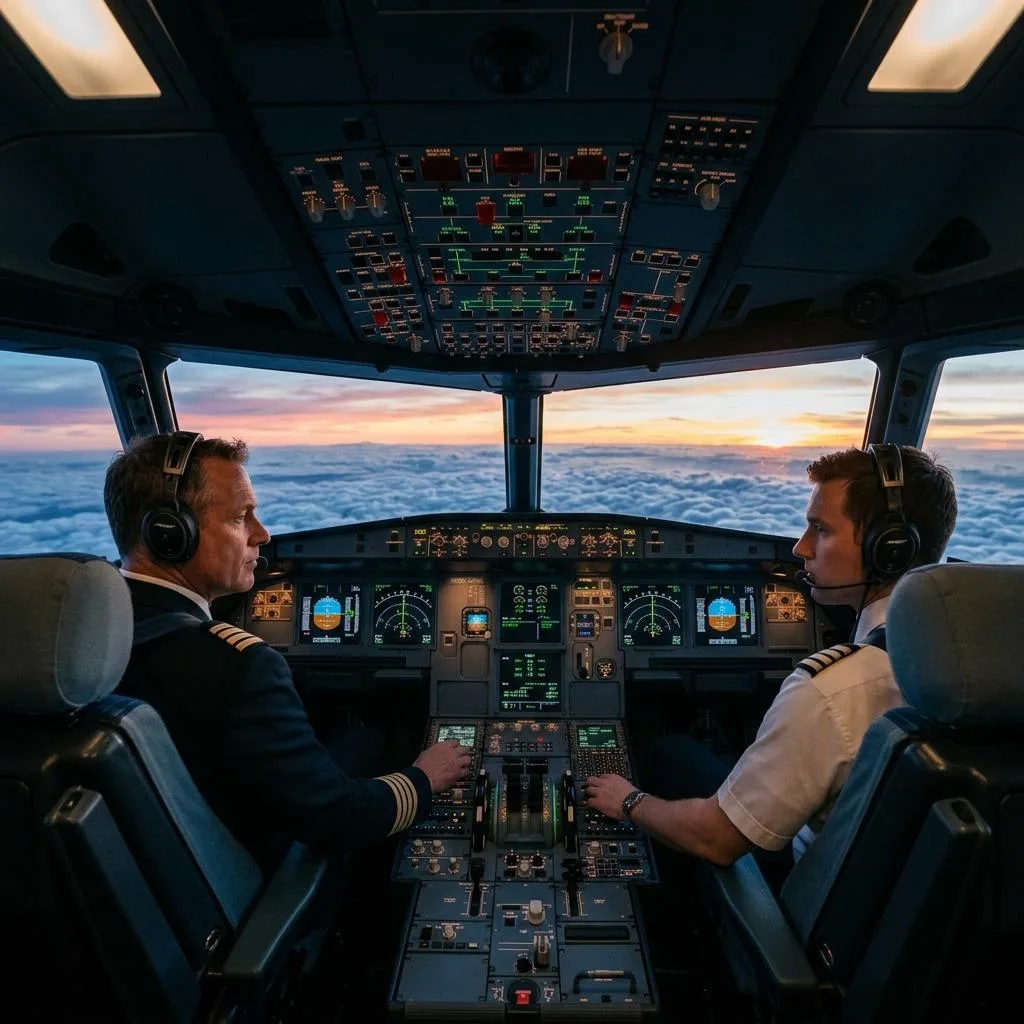
Flying an aircraft is one of the most cognitively demanding jobs a human brain can undertake, and it makes those demands for hours on end, often through the night and across the world's time zones. This fully referenced article looks at what the science of attention, decision-making and the body clock tells us about pilots and flight crew: how the brain sustains vigilance across long, uneventful hours, why highly reliable automation can paradoxically erode the very attention it was meant to relieve, how spatial disorientation can make instruments feel wrong when they are right, how the brain manages competing demands under pressure, why crew resource management is applied social neuroscience, and how the relentless circadian disruption of long-haul flying tests the limits of human physiology. It is a portrait of expert brains operating at the edge of what attention and rhythm allow.
£3.99 (full price £4.99). Includes full article access and branded PDF download.
What you will receive:
- Full 2,559-word article with 25 Harvard references
- Branded article download with sign-off and resource links
- Invitation to reflect section for personal or professional use