The Neuroscience of Being Human
The Neuroscience of Rally Driving
Pacenotes as external memory, language turned to action under time pressure, reading grip before you feel it, controlled sliding and the two-brain partnership: what the brain is really doing on a road it has never driven at speed
2,425-word article with 19 Harvard references.
Premium article
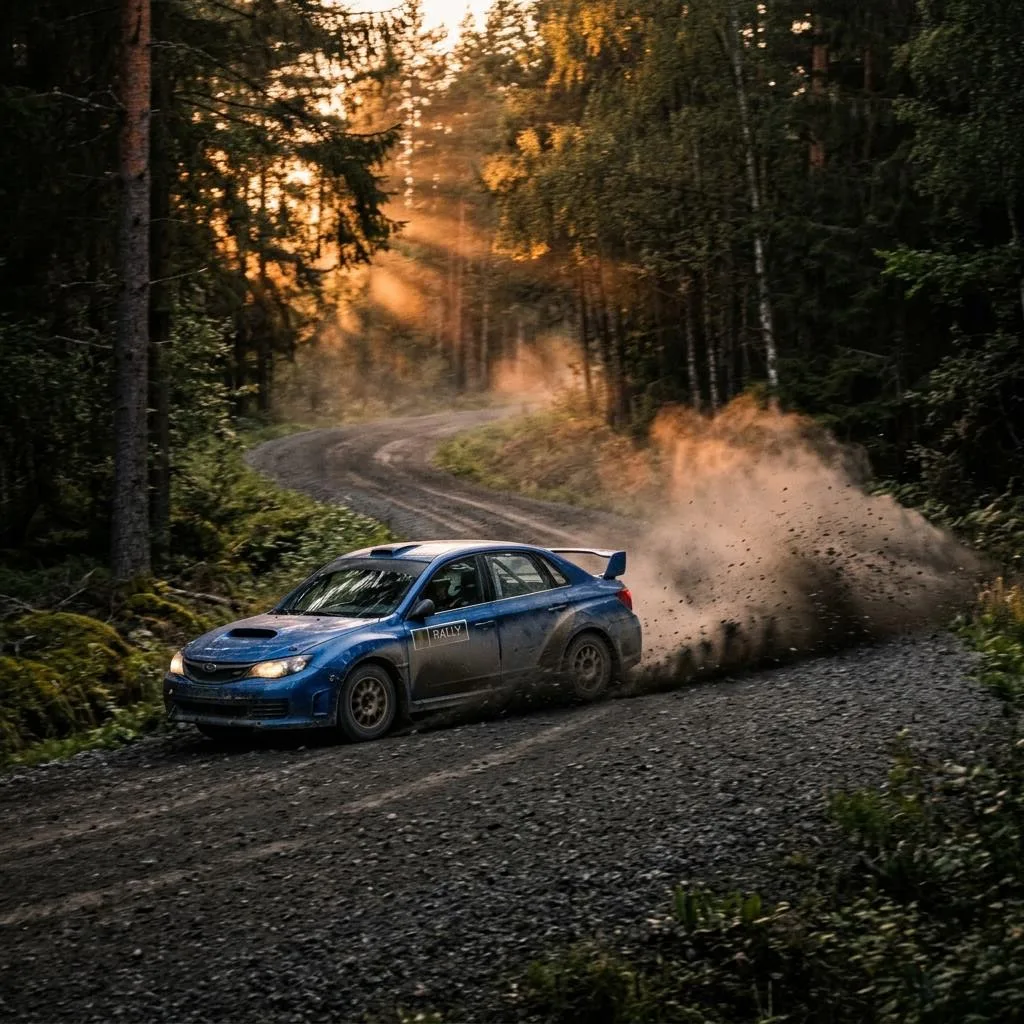
Rally driving asks the brain to do something almost paradoxical: to commit, at speed, to a road it cannot yet see, guided only by a stream of spoken notes from the seat alongside. This fully referenced article examines the neuroscience of that trust. It looks at how pacenotes act as an external memory that extends a driver's limited working memory, how the brain turns rapid spoken language into precise action, and how skilled crews predict grip from the look of a surface. It explores controlled sliding as a triumph of motor learning, the strain that night stages place on tired attention, and the remarkable partnership between driver and co-driver that behaves, in cognitive terms, like a single distributed mind. The result is a compassionate, evidence-based portrait of one of driving's most demanding arts.
£3.99 (full price £4.99). Includes full article access and branded PDF download.
What you will receive:
- Full 2,425-word article with 19 Harvard references
- Branded article download with sign-off and resource links
- Invitation to reflect section for personal or professional use