The Neuroscience of Music
The Neuroscience of Rock and Roll
Backbeat, rebellion and the birth of a new neural language: how rock and roll rewired the adolescent brain, shattered cultural inhibition and created the blueprint for every popular music revolution that followed
2,508-word article with 22 Harvard references.
Premium article
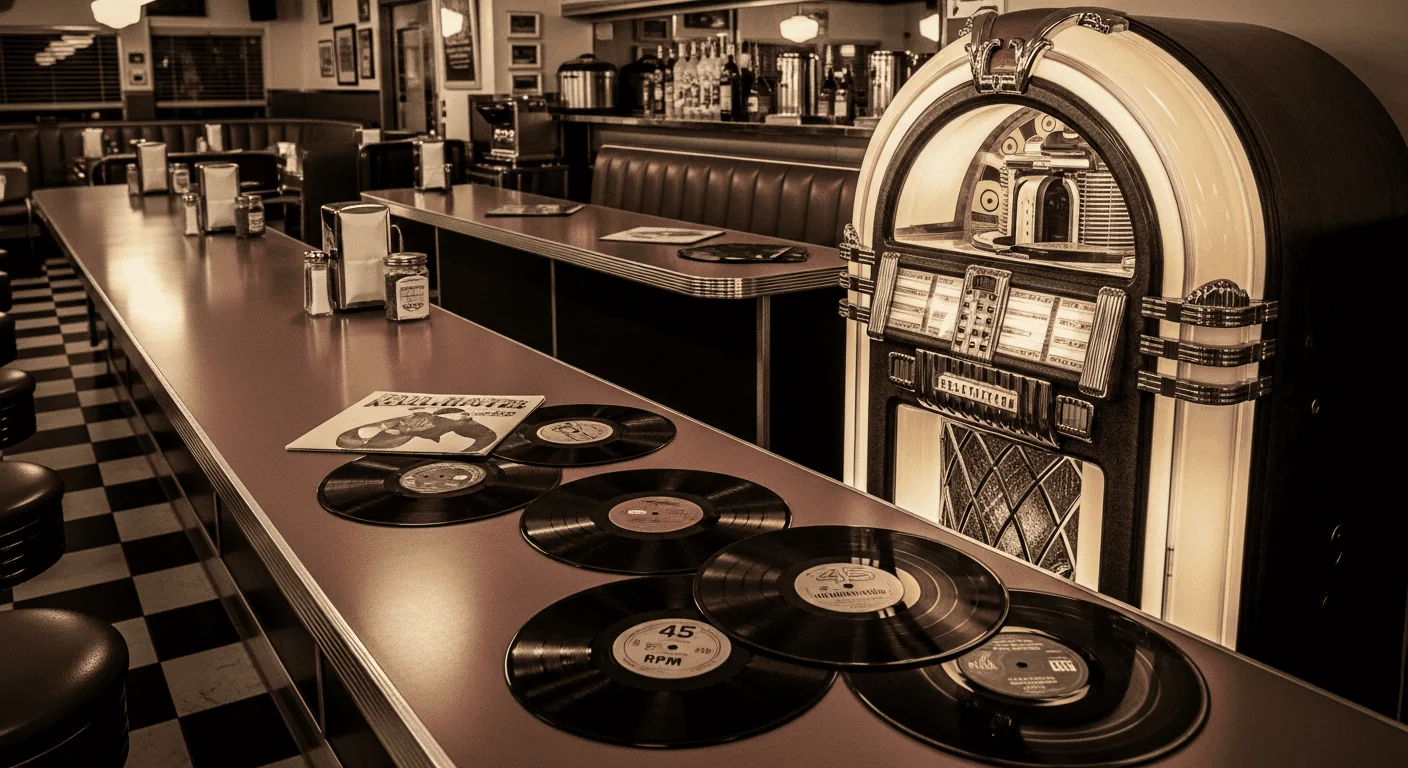
Rock and roll did not simply change music. It changed the brain that listens to music. When Bill Haley and His Comets, Elvis Presley, Little Richard, Chuck Berry, Fats Domino, Jerry Lee Lewis and their contemporaries fused rhythm and blues with country, gospel and boogie-woogie in the early 1950s, they created a sonic formula that targeted the adolescent nervous system with unprecedented precision. The backbeat, the swung rhythm, the call-and-response vocal, the amplified electric guitar and the unrestrained physicality of performance activated dopaminergic reward circuits, motor planning regions and social identity networks in ways that no previous popular music form had achieved. This fully referenced article traces the neuroscience of rock and roll from its origins in African American musical traditions through its explosion into mainstream culture, examining why it provoked such intense generational loyalty, such fierce institutional resistance, and why its neural blueprint remains the foundation of virtually every popular music genre that exists today.
£1.99 (full price £2.49). Includes full article access and branded PDF download.
What you will receive:
- Full 2,508-word article with 22 Harvard references
- Branded article download with sign-off and resource links
- Invitation to reflect section for personal or professional use