The Neuroscience of Being Human
The Neuroscience of Scripture and Sacred Text
How reading the Torah, Quran, Vedas, Pali Canon and Bible activates different neural circuits than secular reading, moral reasoning, identity construction, authority processing and the neuroscience of textual reverence
897-word article with 8 Harvard references.
Premium article
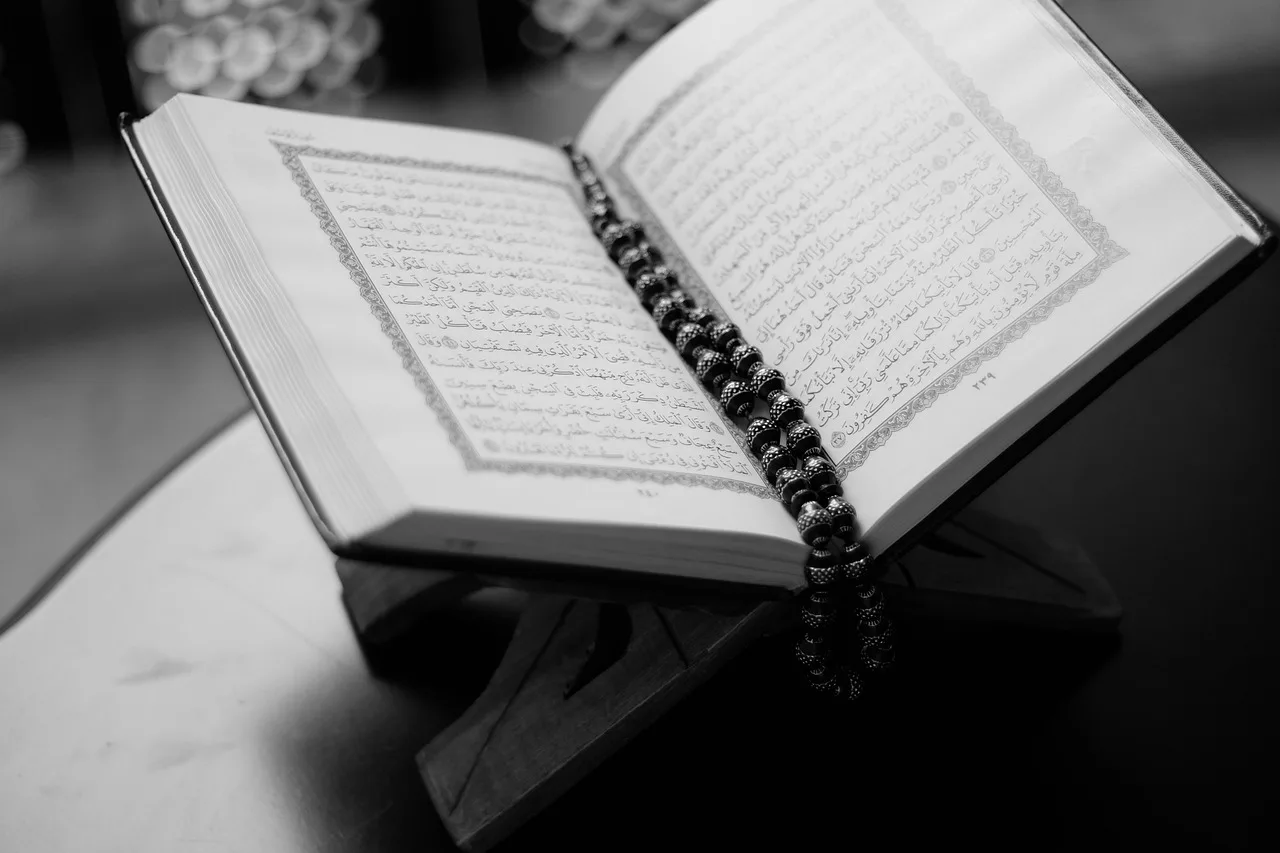
Sacred texts are not read the way other texts are read. When a devout Muslim recites the Quran, a Jewish scholar studies Torah, a Hindu chants the Vedas, a Buddhist monk contemplates the Pali Canon, or a Christian meditates on the Gospels, the brain engages circuits for authority processing, moral evaluation, identity construction and emotional regulation that ordinary reading does not activate. The neuroscience of scripture reveals that the brain treats sacred text not merely as information but as a source of moral authority, personal identity, and existential comfort. This article examines how and why.
£1.64 (full price £2.05). Includes full article access and branded PDF download.
What you will receive:
- Full 897-word article with 8 Harvard references
- Branded article download with sign-off and resource links
- Invitation to reflect section for personal or professional use