The Neuroscience of Being Human
The Neuroscience of Sickness Behaviour
Why your brain makes you withdraw, sleep, and lose interest in everything when you are ill, how the immune system hijacks the motivational circuits of the brain, and what sickness behaviour reveals about the relationship between inflammation and depression
1,205-word article with 8 Harvard references.
Premium article
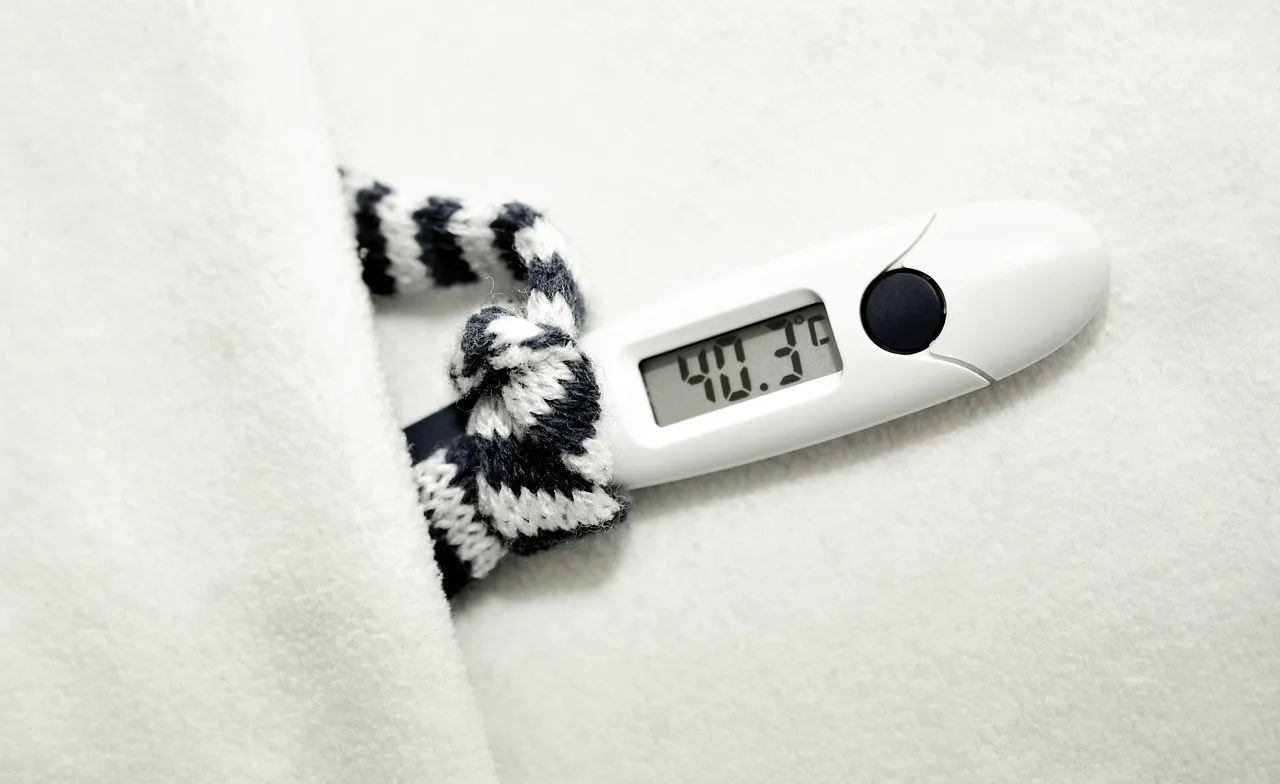
When you are ill, you do not merely feel tired. You feel a specific, recognisable constellation of experiences: fatigue, social withdrawal, loss of appetite, reduced interest in pleasure, difficulty concentrating, increased pain sensitivity, and a pervasive sense that the world has become too much. These are not random consequences of feeling unwell. They are a coordinated behavioural programme orchestrated by the brain in response to signals from the immune system. Sickness behaviour, as the neuroscience now recognises, is a motivational state as organised and purposeful as hunger or fear. This article examines how pro-inflammatory cytokines cross the blood-brain barrier and alter the function of the hypothalamus, the basal ganglia, and the anterior cingulate cortex, why the resulting behavioural pattern is adaptive during acute infection, and why chronic activation of this system produces a state that is neurologically indistinguishable from depression.
£1.59 (full price £1.99). Includes full article access and branded PDF download.
What you will receive:
- Full 1,205-word article with 8 Harvard references
- Branded article download with sign-off and resource links
- Invitation to reflect section for personal or professional use