The Neuroscience of Being Human
The Neuroscience of Skateboarding
Balance, prediction, fear extinction and flow: why skateboarding rebuilds the brain through thousands of small failures, and what the nervous system is really doing between the fall and the landing
2,470-word article with 26 Harvard references.
Premium article
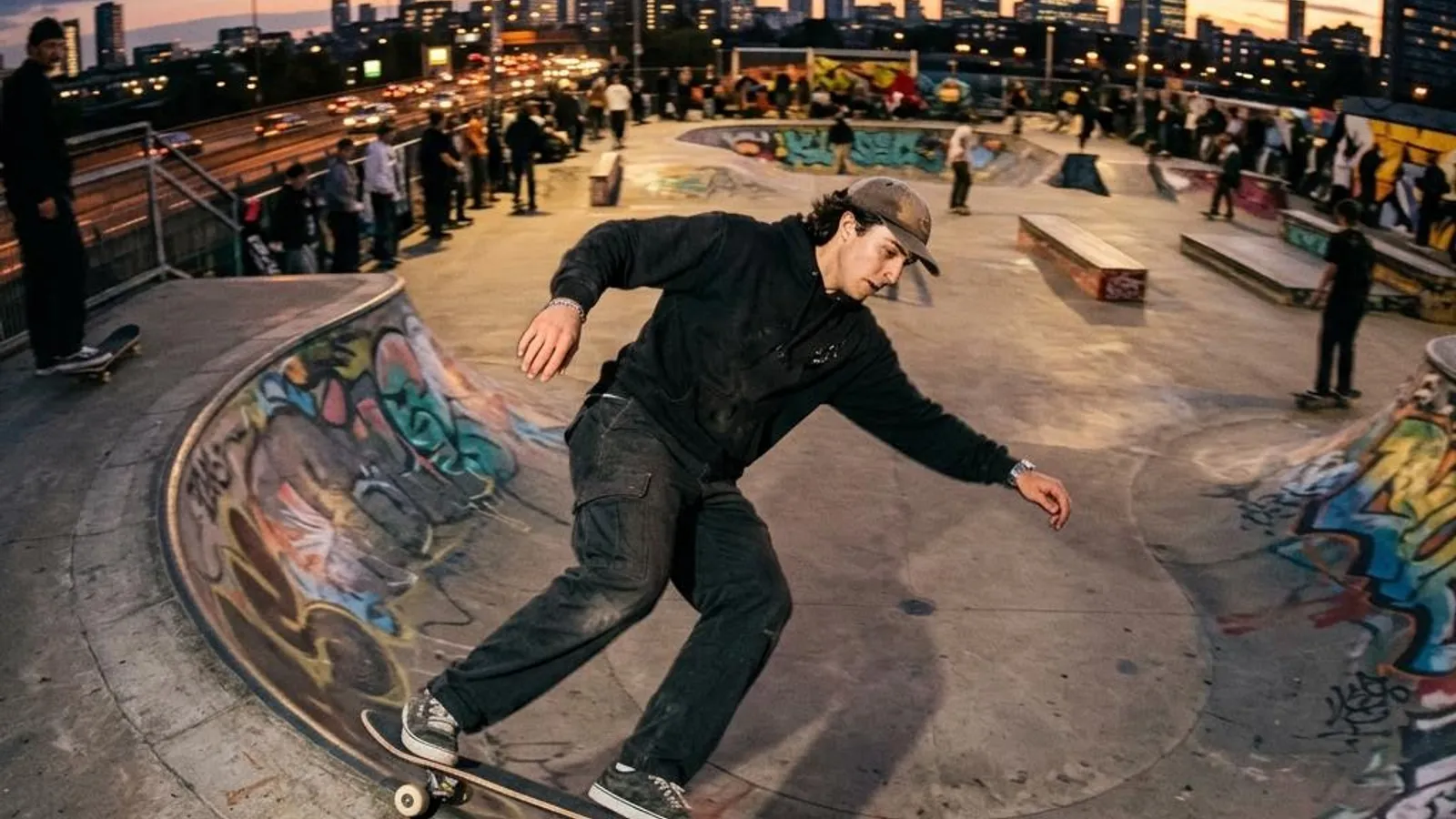
Skateboarding looks like play, but neurologically it is one of the most demanding activities a human brain can undertake. Balancing on a moving board recruits the cerebellum, vestibular system and predictive motor circuits at the very edge of their capacity, while every attempted trick is a wager placed by the brain's reward system against the near-certainty of failure. This fully referenced article examines how skateboarders learn balance they cannot consciously describe, how the brain predicts the outcome of a trick before it happens, how repeated falling extinguishes fear rather than reinforcing it, and why the flow state of skating is built not on success but on the endless cycle of trying, missing and trying again.
£3.99 (full price £4.99). Includes full article access and branded PDF download.
What you will receive:
- Full 2,470-word article with 26 Harvard references
- Branded article download with sign-off and resource links
- Invitation to reflect section for personal or professional use