The Neuroscience of Being Human
The Neuroscience of Social Media
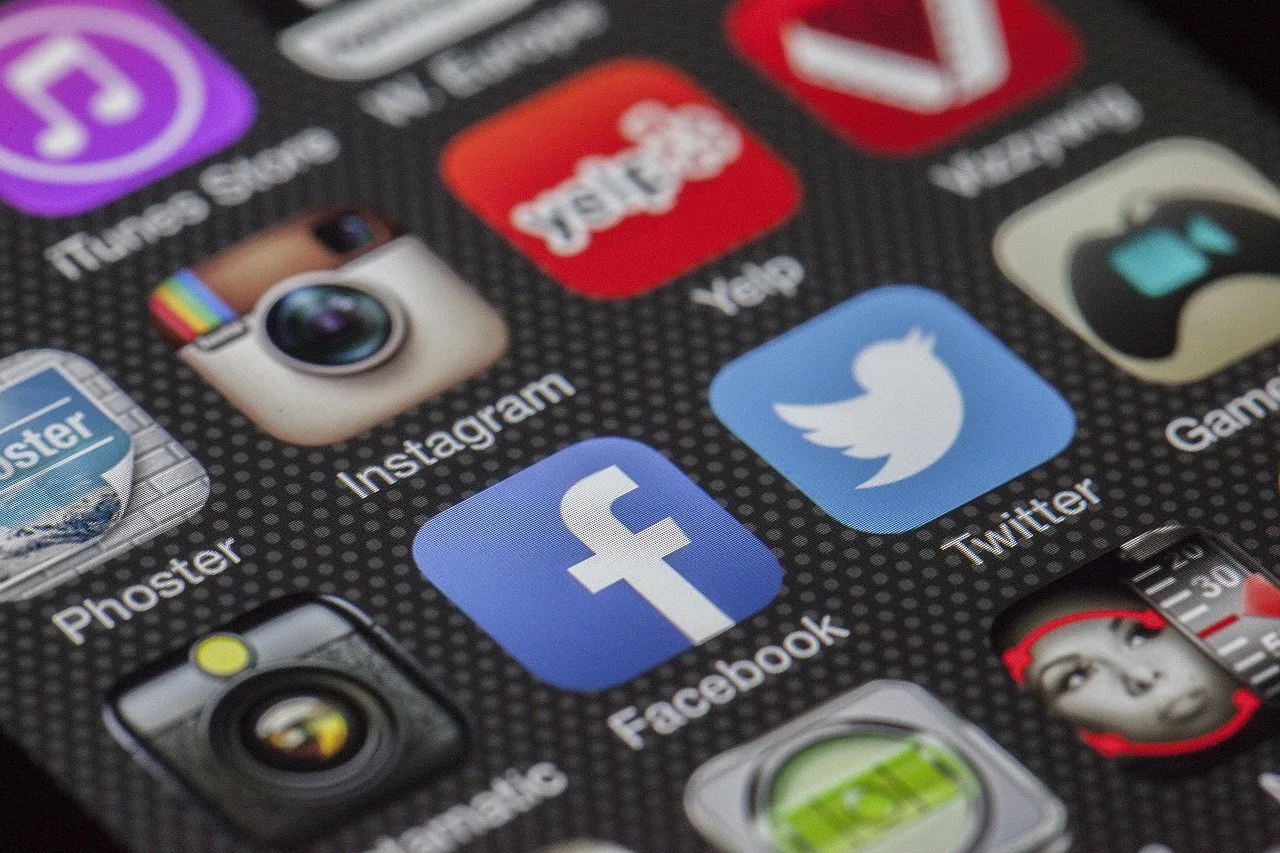
How infinite scroll, notifications, and social comparison hijack attention, exploit the dopamine system, and create behavioural addiction patterns in brains that evolved for face-to-face connection
1,295-word article with 8 Harvard references.
Key takeaways
- Social media platforms exploit variable ratio reinforcement schedules through features such as infinite scroll, unpredictable notifications, and algorithmic content delivery, producing patterns of compulsive checking that parallel the behavioural patterns observed in gambling addiction.
- Social media use activates the nucleus accumbens and the ventral tegmental area, the core structures of the mesolimbic dopamine pathway, particularly during the receipt of social feedback such as likes, comments, and shares. The dopamine response is driven by the unpredictability of the social reward rather than its magnitude (Meshi et al., 2013).
- Upward social comparison on social media, comparing oneself to curated, idealised presentations of others' lives, activates the anterior cingulate cortex and insula, regions associated with social pain and self-evaluation, and is associated with increased depressive symptoms and decreased life satisfaction.
- Adolescents are particularly vulnerable to social media's effects because the prefrontal cortex, which provides impulse control and the capacity to evaluate long-term consequences, is not fully myelinated until the mid-twenties, while the reward system is fully operational from puberty (Crone and Konijn, 2018).
- The attentional cost of social media extends beyond time spent on platforms. Frequent context-switching between tasks and notifications impairs sustained attention, reduces working memory capacity, and produces a chronic state of partial attention that degrades cognitive performance across all domains.
The slot machine in your pocket
Tristan Harris, a former design ethicist at Google, described the smartphone as a slot machine in your pocket, and the comparison is not metaphorical. The pull-to-refresh gesture that reloads a social media feed is a lever pull. The content that appears is unpredictable, a variable ratio schedule. The notifications that arrive throughout the day are intermittent reinforcements, timed by algorithms to arrive at the moments most likely to produce re-engagement. The infinite scroll eliminates the natural stopping cues that other media provide: the end of the article, the end of the chapter, the end of the programme. There is no end. The content regenerates continuously, and the brain, receiving an uninterrupted stream of novel, socially relevant, mildly rewarding information, does not generate the satiation signal that would prompt disengagement.
Dar Meshi and colleagues at the Free University of Berlin used functional MRI to examine brain activity during social media feedback and found that receiving positive social feedback activated the nucleus accumbens, the same reward structure activated by food, sex, money, and drugs of abuse (Meshi et al., 2013). The activation was correlated with self-reported social media use, with heavier users showing stronger reward responses to social feedback. The dopamine system does not distinguish between a social reward received in person and one received through a screen. A like activates the same circuit as a smile. A comment activates the same circuit as a compliment. The brain evolved for face-to-face social interaction, and social media has found a way to trigger the same circuits with a fraction of the actual social content.
Social comparison and the pain of not being enough
Leon Festinger proposed social comparison theory in 1954, arguing that humans have a fundamental drive to evaluate themselves by comparing with others. Social media has transformed this natural tendency into a continuous, inescapable experience. The curated feeds of social platforms present a biased sample of others' lives, emphasising achievements, holidays, celebrations, and physical attractiveness while omitting failure, boredom, loneliness, and ordinary tedium. The person scrolling through this curated reality is comparing their unedited internal experience with others' edited external presentations, and the comparison is reliably unfavourable.
Ethan Kross, whose work on self-talk was discussed earlier in this collection, conducted one of the earliest studies demonstrating that passive Facebook use, scrolling through others' content without posting or interacting, produced declines in subjective wellbeing and life satisfaction over time (Kross et al., 2013). The effect was not produced by active social media use, which involves posting, commenting, and direct interaction. It was produced by passive consumption, the quiet observation of curated lives that triggers the upward social comparison the brain cannot help but make. The anterior cingulate cortex and insula, regions involved in processing social pain and self-discrepancy, activate during upward comparison, producing a neural signature that is functionally similar to social rejection.
The adolescent brain and the perfect storm
Eveline Crone and Elly Konijn reviewed the developmental neuroscience of social media and adolescence and identified a vulnerability that is architectural rather than moral (Crone and Konijn, 2018). The adolescent brain is characterised by a mismatch between the early maturation of the reward system, which is fully operational by puberty, and the late maturation of the prefrontal cortex, which is not fully myelinated until the mid-twenties. Adolescents experience the full force of the dopamine surge from social media engagement while lacking the prefrontal capacity to regulate their response, evaluate long-term consequences, and resist compulsive use.
Simultaneously, adolescence is the developmental period in which peer evaluation, social status, and identity formation are at their most intense. Social media provides a continuous, quantified measure of social standing through metrics, likes, followers, views, that the adolescent brain is exquisitely sensitive to. The combination of a hyperactive reward system, an immature regulatory system, and a developmental period characterised by extreme sensitivity to social evaluation creates conditions in which problematic social media use is not surprising. It would be surprising if it did not occur.
Attention fragmentation and the cost of context-switching
Gloria Mark at the University of California Irvine has studied the attentional effects of digital media and found that the average knowledge worker checks email or messaging platforms every six minutes and that each interruption requires approximately twenty-three minutes to return to the original task with full cognitive engagement (Mark et al., 2008). Social media notifications produce the same attentional fragmentation, interrupting ongoing cognitive processes and triggering a context-switch that degrades working memory, impairs sustained attention, and reduces the depth of cognitive processing applied to whatever task was being performed.
The cost is not merely the time spent on the platform. It is the degradation of cognitive function that persists after the platform has been closed. The brain that has been trained to expect frequent interruptions does not return to deep, sustained processing when the interruptions stop. It remains in a state of anticipatory monitoring, dividing its attentional resources between the current task and the possibility of a notification, even when notifications have been disabled. The smartphone on the desk, even when face-down and silent, reduces available cognitive capacity, because the brain allocates resources to monitoring the device's potential output. Social media has not merely captured attention. It has changed the brain's attentional architecture, producing a chronic state of partial attention that degrades performance across all domains.
Invitation to reflect
The phone is in your hand or within arm's reach. You checked it within the last hour, probably within the last fifteen minutes, possibly while reading this article. The impulse to check was not a conscious decision. It was a dopamine-mediated urge, triggered by the same circuits that drive any other form of wanting, and sustained by a platform that has been optimised, with more data about human behaviour than has ever existed in the history of the species, to make the checking irresistible. You are not weak for checking. You are human, and the engineers who designed the platform understand your humanity better than you do. The question is not whether you use social media. Most people will, and prohibition is neither realistic nor the point. The question is whether you use it with an awareness of what it is doing to your brain, or whether you allow it to operate on you without examination. The neuroscience does not tell you to delete the app. It tells you to notice what happens when you open it, and to decide, with whatever prefrontal capacity the platform has left you, whether the trade is worth it.
References
- Crone, EA and Konijn, EA (2018) Media use and brain development during adolescence. Nature Communications, 9(1), p. 588.
- Kross, E, Verduyn, P, Demiralp, E, Park, J, Lee, DS, Lin, N, Shablack, H, Jonides, J and Ybarra, O (2013) Facebook use predicts declines in subjective well-being in young adults. PLoS ONE, 8(8), p. e69841.
- Mark, G, Gudith, D and Klocke, U (2008) The cost of interrupted work: more speed and stress. Proceedings of the SIGCHI Conference on Human Factors in Computing Systems, pp. 107–110.
- Meshi, D, Morawetz, C and Heekeren, HR (2013) Nucleus accumbens response to gains in reputation for the self relative to gains for others predicts social media use. Frontiers in Human Neuroscience, 7, p. 439.
- Twenge, JM, Joiner, TE, Rogers, ML and Martin, GN (2018) Increases in depressive symptoms, suicide-related outcomes, and suicide rates among US adolescents after 2010 and links to increased new media screen time. Clinical Psychological Science, 6(1), pp. 3–17.
- Montag, C, Lachmann, B, Herrlich, M and Zweig, K (2019) Addictive features of social media/messenger platforms and freemium games against the background of psychological and economic theories. International Journal of Environmental Research and Public Health, 16(14), p. 2612.
- Ward, AF, Duke, K, Gneezy, A and Bos, MW (2017) Brain drain: the mere presence of one's own smartphone reduces available cognitive capacity. Journal of the Association for Consumer Research, 2(2), pp. 140–154.
- Verduyn, P, Lee, DS, Park, J, Shablack, H, Orvell, A, Bayer, J, Ybarra, O, Jonides, J and Kross, E (2015) Passive Facebook usage undermines affective well-being: experimental and longitudinal evidence. Journal of Experimental Psychology: General, 144(2), pp. 480–488.
About the author
Gareth Strangemore-Jones, MHFA, DCST, PDPCP, HPD, DSFH, DMH, AHD, NCTJ, MSC-CPA, PGCE (FE) I & II
MNCPS (Reg.), MNCH (Reg.), MCNHC (Reg.), MAfSFH (Assoc.)
PSA (Acc.), FSE (Fellow), IFfS (Assoc.)
Mental Health First Aider, Pluralistic Counsellor, Clinical Psychotherapist. Consultant Medical Hypnotherapist, Mindfulness Teacher. PGCE-Trained Teacher, Lecturer, Corporate Trainer, Workplace Wellbeing Consultant. PR & Marketing Consultant, Psychology & Behaviour Advisor. Author, Journalist, Broadcaster. Advocate for Mental Health, People & Planet
Founder, CEO & Clinical Lead, The Brain Gym & Research Ltd. Human understanding, intelligently delivered