The Neuroscience of Being Human
The Neuroscience of Submarines
Sensory deprivation, sustained vigilance, circadian collapse and the price of the deep: what happens to the human brain during months spent below the surface, sealed inside a steel tube with no daylight, no horizon and nowhere to go
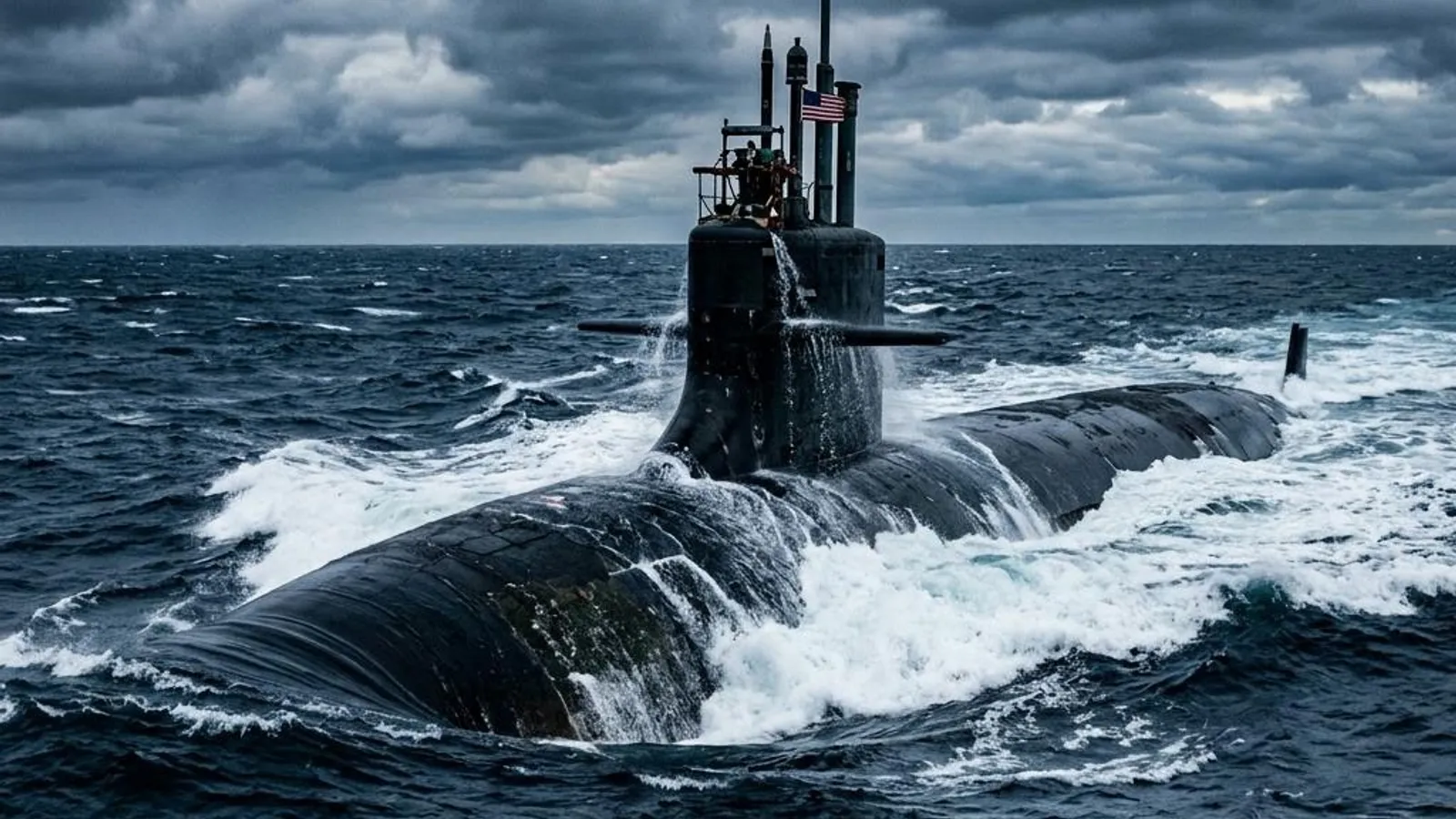
2,458-word article with 25 Harvard references.
Premium article
A submarine is one of the most neurologically hostile environments human beings have ever chosen to inhabit. Sealed inside a steel hull for months at a time, the crew live without sunlight, without a natural horizon, without weather, and without any of the sensory variety the brain evolved to expect. This fully referenced article examines what that does to the human nervous system: how the circadian clock collapses in the absence of daylight, how the vigilance networks fray under sustained watchkeeping, how sensory monotony reshapes perception and mood, and how the social pressure cooker of confinement acts on the stress and bonding systems. It is a study of the mind at the very edge of what it can tolerate.
£3.99 (full price £4.99). Includes full article access and branded PDF download.
What you will receive:
- Full 2,458-word article with 25 Harvard references
- Branded article download with sign-off and resource links
- Invitation to reflect section for personal or professional use